
Brief
What Rising Concealed Carry Means for Responsible Gun Owners
More Americans carry handguns occasionally. Learn how to choose reliable concealed carry gear, stay compliant, maintain equipment, and carry responsibly.
Shop this at BLVista
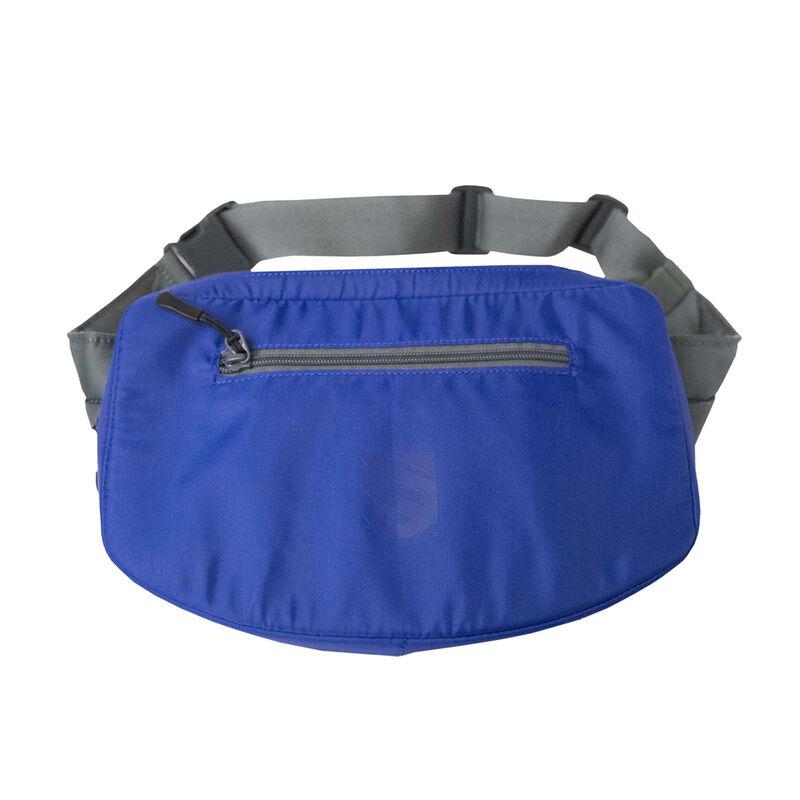
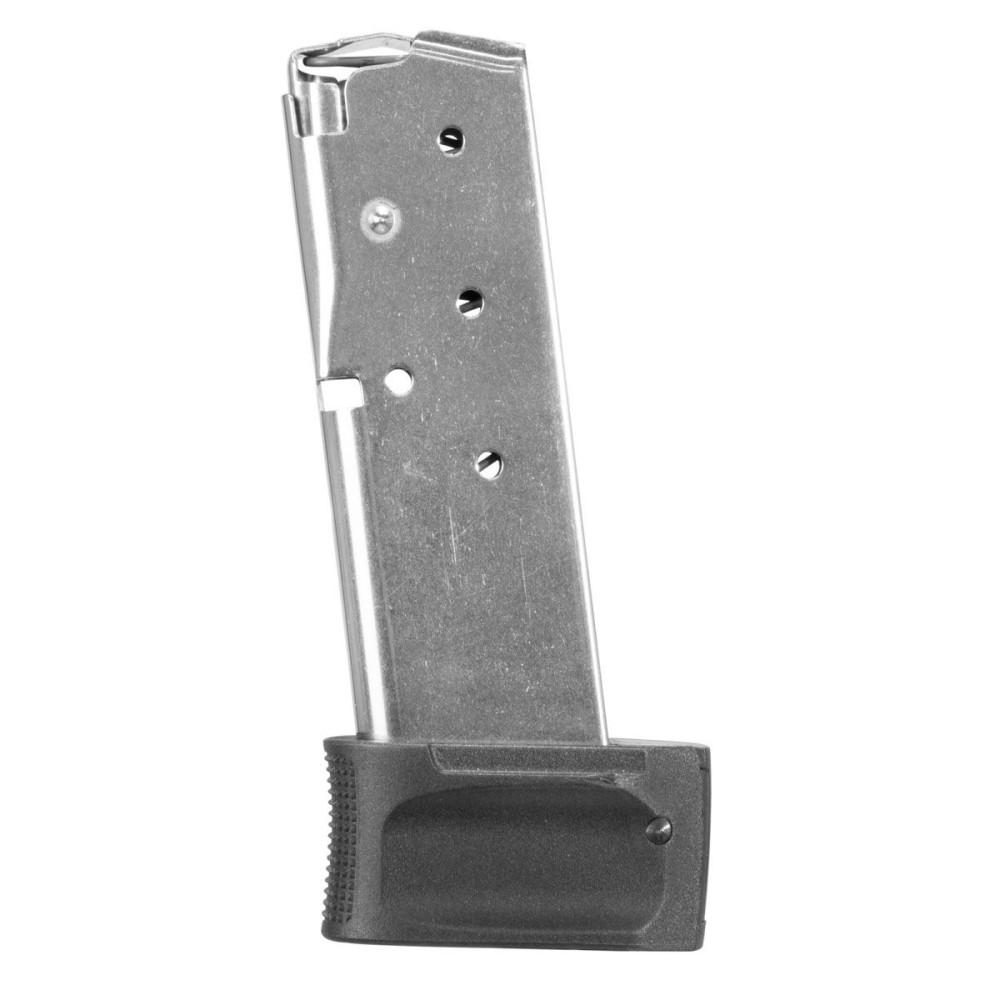
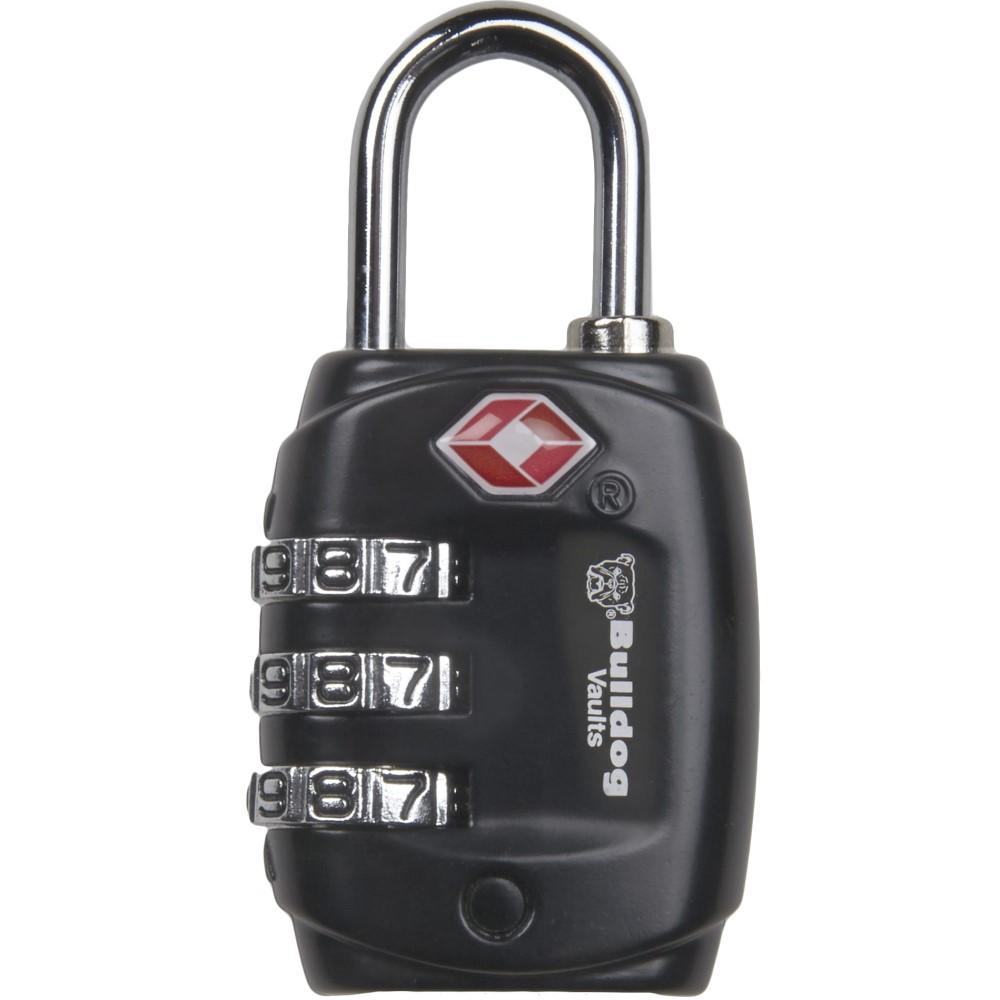
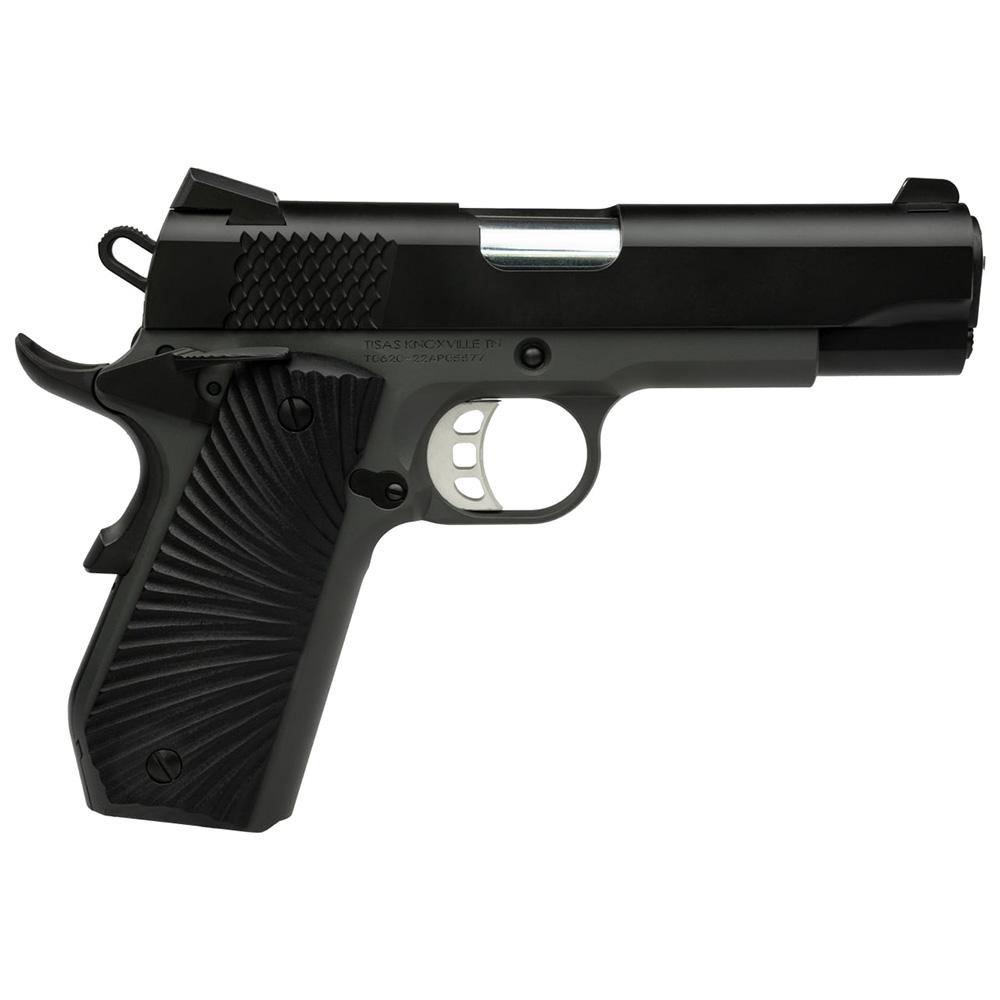
Recent national polling suggests that nearly one-third of American voters carry a handgun at least occasionally. That number matters because concealed carry is no longer limited to a narrow slice of the gun-owning public. It now includes people who carry daily, people who carry during travel, hunters who carry around camp, homeowners who also want personal protection away from home, and newer gun owners who are still building skill and judgment.
The practical takeaway is simple: more people are making concealed carry part of ordinary life, which raises the standard for equipment, training, storage, and legal awareness. A carry handgun is different from a range pistol or a nightstand gun. It lives closer to the body, sees more sweat and lint, rides in vehicles, crosses county and state lines, and may be handled under stress. That combination demands discipline before the gun ever leaves the house.
Occasional Carry Still Requires A Complete System
Many people think the daily carrier has the highest equipment burden. Daily carry does create wear, but occasional carry creates its own risk. A person who carries once or twice a month may lack routine. Clothing changes, holster positioning, magazine placement, vehicle storage, and legal boundaries can feel unfamiliar each time. That is where mistakes happen.
If you carry only during errands, travel, hiking, church, work commutes, or late-night fuel stops, build a repeatable setup. Use the same holster style, the same belt, the same carry location, and the same administrative routine whenever possible. Consistency reduces fumbling and decision fatigue. It also helps you recognize when something is out of place before you enter public space.
The Concealed Carry Checklist That Actually Matters
A responsible carry setup should pass five basic tests before it becomes part of your everyday carry gear.
1. Legal Fit
Know the law where you live, where you work, and where you travel. Permitless carry, licensed carry, reciprocity, prohibited locations, vehicle carry, signage rules, magazine restrictions, and duty-to-inform requirements vary by jurisdiction. A handgun owner who travels for hunting, camping, or family visits should check rules before crossing state lines. Safe and lawful carry includes knowing when the gun must be secured, when it may be carried on the person, and when it must stay home.
2. Mechanical Reliability
A carry gun should run with the ammunition you actually intend to carry. That means testing your defensive load for feeding, ejection, slide lock, and point of impact. Small pistols can be more ammunition-sensitive than full-size handguns, especially when paired with short barrels and stiff recoil springs. Magazines also matter. A weak spring, damaged feed lip, or aftermarket extension can turn a reliable pistol into a problem.
3. Holster Security
The holster is safety equipment. It must fully cover the trigger guard, hold the pistol securely during movement, retain its shape after the draw, and attach firmly to the belt or clothing. Kydex-style holsters usually offer strong trigger coverage and consistent retention. Leather can be comfortable and durable when properly built, but it requires inspection as it softens with age. Hybrid designs can work well, though users should watch for backing material that collapses or interferes with reholstering.
For anyone comparing carry rigs, start with the fundamentals rather than style. Look for rigid trigger protection, adjustable retention, quality clips or loops, corrosion-resistant hardware, and compatibility with your handgun’s sights, optics, and weapon light if equipped. BLVista readers can compare practical concealed carry holster options with those criteria in mind.
4. Carry Comfort And Concealment
A handgun that is painful to carry will eventually stay in the safe. Comfort matters because it supports consistency. The belt, holster wedge, ride height, cant, grip length, and cover garment all influence whether a pistol conceals cleanly and stays stable through daily movement. Outdoor users should also think about seasonal clothing. A setup that hides under a winter jacket may print under a fishing shirt or lightweight trail layer.
5. Training And Safe Handling
Range accuracy is only one part of carry readiness. Safe presentation from concealment, verbal boundary setting, movement around family members, low-light identification, emergency medical basics, and post-incident conduct all deserve attention. Dry practice can help build safe mechanics when done with a verified unloaded firearm, no live ammunition in the room, and a safe backstop. Live-fire practice should confirm that your draw stroke, grip, sights, and follow-up shots remain controlled under realistic time pressure.
Why Demographics Matter Less Than Habits
Public discussion often focuses on who carries. Age, gender, income, geography, and politics get attention because they are easy to measure. For the responsible gun owner, habits matter more. The safe carrier is defined by judgment, lawful conduct, proper storage, competent equipment selection, and a willingness to keep learning.
That applies equally to the new permit holder, the retired peace officer, the hunter who carries a compact pistol while checking trail cameras, and the parent who carries during routine errands. Different users may face different environments, but the standards remain consistent. The gun must be secure, the carrier must understand the law, and the decision to carry must include a plan for avoidance, de-escalation, and safe storage.
Environmental Exposure Is A Real Carry Issue
Concealed carry gear lives in a harsh place. Sweat, dust, body oils, clothing fibers, rain, mud, and temperature swings affect metal finishes, optics, batteries, holster hardware, and ammunition. A pistol carried inside the waistband during a humid summer can collect more grime in a week than a range pistol sees in months.
Build a maintenance schedule around your actual use. Inspect the bore, chamber, sights, optic window, magazine bodies, baseplates, screws, and holster clips. Check for rust under grip panels, around sight cuts, and near controls. Replace carry ammunition periodically if it is repeatedly chambered or exposed to moisture. Confirm torque on optic and light screws according to the manufacturer’s specifications. A small amount of preventive care protects reliability over long-term ownership.
Storage And Transport Complete The Carry Plan
Carrying a handgun also means managing the moments when you cannot carry it. That may include workplaces, schools, medical facilities, posted private property, public buildings, or travel situations. A vehicle lockbox secured to the frame or seat structure is often a practical layer for temporary storage, subject to local law. At home, secure storage should account for children, guests, contractors, and anyone who should lack access.
Outdoor use adds more variables. Hunters and campers may need to secure a handgun in a vehicle, cabin, tent, or pack while changing layers or handling long guns. Trail dust and rain can work into holsters and magazines. A simple inspection before and after a trip keeps small issues from becoming failures later.
How To Choose A Carry Handgun With Less Guesswork
Start with purpose. A deep concealment pistol for office attire, a compact handgun for daily carry, and a trail-side sidearm for rural use place different demands on size, capacity, caliber, sights, and holster availability. Smaller guns conceal better, while larger guns are usually easier to shoot well. Optics can help many shooters, but they add battery management, lens care, and holster compatibility requirements. Weapon lights can be useful, though they increase bulk and demand proper training in target identification and muzzle discipline.
Before buying, handle the gun with the same level of seriousness you would apply to boots, packs, optics, or other field gear. Can you reach the controls without shifting your grip? Can you rack the slide under stress? Are magazines available and affordable enough for practice? Does the pistol fit proven holsters? Can you maintain it easily? Does it meet the laws in your state? The right choice is the one you can carry, shoot, secure, and maintain responsibly over years of ownership.
For shooters building a broader carry and outdoor preparedness system, BLVista’s 2A friendly gear selection can help narrow the field without sorting through unrelated equipment.
The Bottom Line
Rising concealed carry participation shows that more Americans view personal protection as part of normal preparedness. That trend places more responsibility on individual carriers. A handgun on the belt should represent more than ownership. It should reflect legal knowledge, safe handling, reliable equipment, realistic training, and a storage plan that protects everyone around you.
Concealed carry is a lifecycle decision. The purchase is only the first step. The real work happens through maintenance, practice, compliance checks, and honest evaluation of what works in the field, on the range, in the vehicle, and in daily life.
FAQ
It means concealed carry has become a mainstream part of personal preparedness for many voters and gun owners. It also means more people need reliable holsters, safe storage, legal awareness, and practical training before carrying in public.
Occasional carry still requires a complete safety system. Infrequent carriers may lack routine, so they should use consistent gear, practice safe handling, review local laws, and confirm that their handgun and holster are ready before every carry day.
A good concealed carry holster should fully cover the trigger guard, retain the firearm securely, stay attached to the belt or clothing, resist collapse, and fit your handgun exactly. Hardware quality, sweat resistance, ride height, and compatibility with optics or lights also matter.
Inspect a carry handgun frequently because sweat, lint, dust, and moisture can affect reliability. Check the chamber, magazines, sights, optic, light, screws, and holster hardware. Clean and lubricate based on use, climate, and manufacturer guidance.
BLVista focuses on practical, 2A friendly tools and gear that make sense for real use. By comparing equipment around fit, reliability, safety, compliance, and long-term ownership, buyers can avoid confusion and choose concealed carry gear with more confidence.
Was this useful?