
Brief
Vortex Defender-CCW Enclosed on RMSc Pistols: Real-World Reliability for Daily Carry
Practical review of the Vortex Defender-CCW Enclosed for RMSc pistols. Enclosed emitter durability, reticle options, battery system, holster fit, and...
Shop this at BLVista
Start here
Carry Red Dot Guide
Read the guideUse this as the evergreen parent for micro-dot buying questions so individual optic reviews reinforce one durable carry optics page.
Use the evergreen guide first, then come back to this article for the narrower case or product angle.
The Vortex Defender-CCW Enclosed targets that exact problem: an enclosed-emitter pistol dot sized for the RMSc optics cut used on many slim and micro-compact 9mm pistols. The goal is straightforward: keep the emitter protected while maintaining a practical deck height and controls that make sense on a carry gun.
Why enclosed emitters matter on concealed carry pistols
Open emitter dots can run for years on duty pistols, but concealed carry introduces different failure paths:
- Lint and debris build up in the emitter area and can distort or block the projected dot.
- Sweat and salt creep into corners over time, accelerating corrosion on hardware and around seals.
- Rain and fog can temporarily obscure the emitter or window at the worst time.
- Close-contact bumps from seat belts, door frames, and daily movement add up.
An enclosed emitter reduces exposure to contamination and moisture. For a carry gun that lives against your body and rides in and out of holsters, that single design choice can remove a lot of uncertainty.
Key specs and what they mean in use
The Defender-CCW Enclosed is a 1x micro red dot with a user-selectable reticle and several features that directly affect ownership and training:
- Reticle options: 3 MOA dot or 3 MOA dot with a 32 MOA circle. A simple dot favors precision at distance. A circle can speed up acquisition at close range, especially in unconventional positions.
- Adjustment values: 1 MOA clicks with ample elevation and windage travel. On micro pistols, easy, repeatable adjustments matter because short sight radii and compact slides amplify small setup errors.
- Battery and runtime: CR2032 with long stated runtime plus solar support. The practical takeaway is fewer battery changes and more tolerance for brightness mistakes during training days.
- Housing material: 7075 aluminum. This is a common choice for higher-strength optic housings. It tends to handle edge impacts better than softer alloys when the optic gets leveraged against barricades or the ground.
Mounting on RMSc slides: fit, screws, and sealing
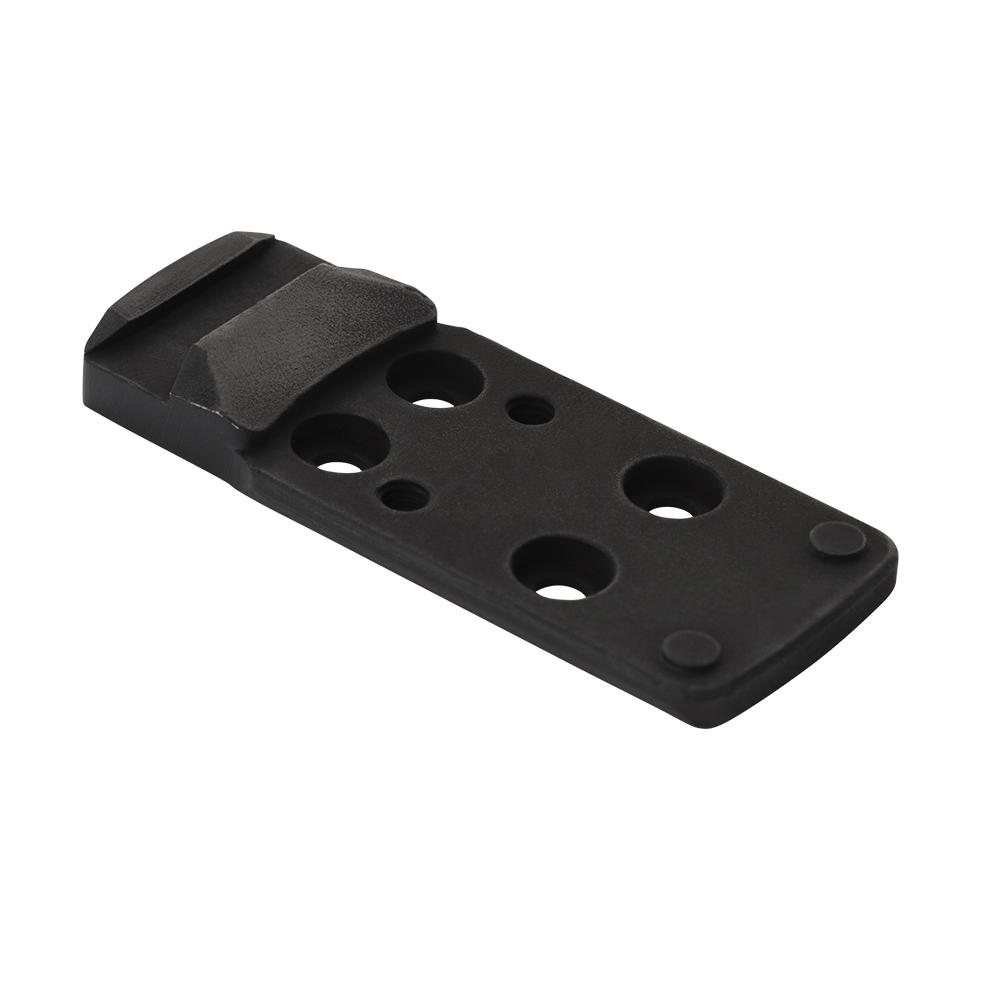
RMSc compatibility is the headline. Many micro-compact pistols ship with RMSc-style cuts, but the details still decide whether you get a reliable mount or a recurring headache.
Here is a practical mounting checklist that reduces failure risk:
- Confirm the exact footprint standard for your slide. “RMSc” gets used loosely across brands, and some slides require specific screw lengths or recoil boss geometry.
- Use correct screw length with adequate thread engagement. Too long can bind internal parts. Too short can loosen under recoil.
- Degrease threads and use an appropriate threadlocker. Let it cure before live fire.
- Verify sealing around the interface. Even when an optic is waterproof, water can collect under the sight and accelerate corrosion if the mounting area stays wet.
Range performance: clarity, reticle behavior, and realistic accuracy
On a compact 9mm like a Sig P365 XMACRO, the Defender-CCW Enclosed supports the type of shooting most people actually do with carry pistols: confirmation at 15 yards, accountability at 25, and capability checks farther out.
Optical clarity and tint are not just comfort factors. A strong tint can make target transitions slower in low-contrast environments like indoor ranges or shaded outdoor bays. A clear window with manageable tint helps keep your focus on the target while the dot stays easy to track.
Reticle choice matters in training:
- 3 MOA dot: Better for B8-style accuracy work and calling shots. It lets you see more of the aiming area at 25 yards and beyond.
- Circle-dot: Often faster for close-range drills when your presentation is not perfect. The circle can act like a reference ring to “catch” the dot during recoil tracking.
For most concealed carriers, a useful framework is to evaluate a dot across three lanes: slow fire at 15 to confirm zero and trigger control, structured accuracy at 25 on a scored target, and controlled speed work inside 10 yards to see if the dot stays readable during recoil.
Durability testing that maps to carry reality
Carry optics fail in a few predictable ways: losing zero after an impact, developing intermittent electronics issues after moisture exposure, or getting controls that change settings when rubbing in a holster.
Drop and impact testing focused on whether the optic stayed zeroed after repeated hits and whether the housing and lens assembly kept functioning. Practical takeaway: if an optic holds zero after chest-height drops and awkward impacts, it is more likely to survive the accidental knocks that happen over years of everyday carry.
Water exposure and submersion
Water resistance matters even if you never plan to submerge your pistol. Rain, wet gear bags, range days with muddy benches, and sweat all create moisture exposure. A short submersion test is a direct way to find weak seals. For concealed carry, the more relevant question is whether water intrusion causes fogging, button issues, or corrosion around the battery compartment over time.
Heat and temperature swings
Heat testing is more than a stunt. A carry pistol sits in hot vehicles, rides against the body, and gets baked in direct sun at outdoor ranges. Temperature swings can stress seals and change battery behavior. Bringing the optic up to elevated temperatures and then verifying zero is a practical way to check that the internal assembly stays stable.
Ergonomics: controls, brightness management, and daily handling
Micro dots live in a tight space. Controls must be usable with sweaty hands and under stress while staying protected from unintentional presses in the holster.
The Defender-CCW Enclosed uses larger, protected buttons with enough resistance to reduce accidental activation. That is a carry-focused choice. It also supports lockout to prevent settings changes. If you carry daily, lockout can be worth using once the dot is set up for your typical lighting environments.
Using the optic to rack the slide
Texturing at the front of the optic is intended to support one-handed manipulations off a belt, table edge, or barricade. This is not a party trick. It is a real-world skill for injury scenarios and for certain training standards. The important detail is whether the optic housing and mount can take that repeated leverage without shifting zero.
Battery system: side-load convenience vs carry bulk
Side-loading batteries are popular for a reason: you can replace the battery without removing the optic, which preserves zero and reduces the chance of stripping screws during repeated removals.
The tradeoff is width. A side battery cap adds bulk on one side of the slide. That can influence:
- Holster fit on RMSc guns with tight optic channels or tall wings near the rear.
- Reholstering feel if the optic rubs the holster body.
- Concealment comfort depending on carry position and body type.
If you are choosing between optics, decide which ownership problem you want to avoid. Top-load trays can reduce width but add parts and interfaces. Removing the optic for battery changes increases maintenance risk and usually means confirming zero afterward. Side-load tends to favor long-term simplicity if your holster clearance works.
Holster and compatibility considerations most buyers miss
RMSc footprint compatibility gets you mounted. Holster compatibility keeps you carrying. Before buying, check these points:
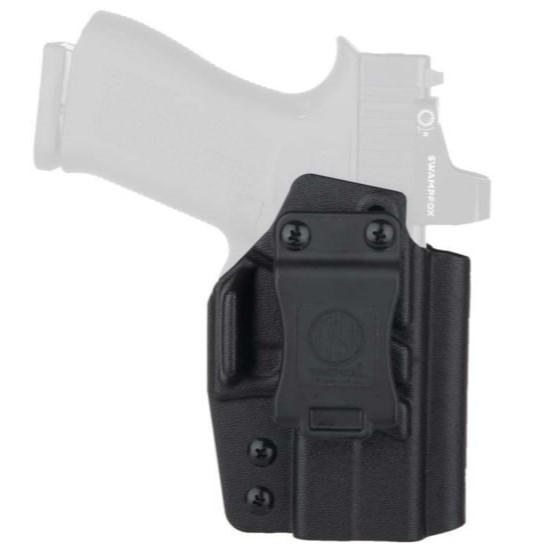
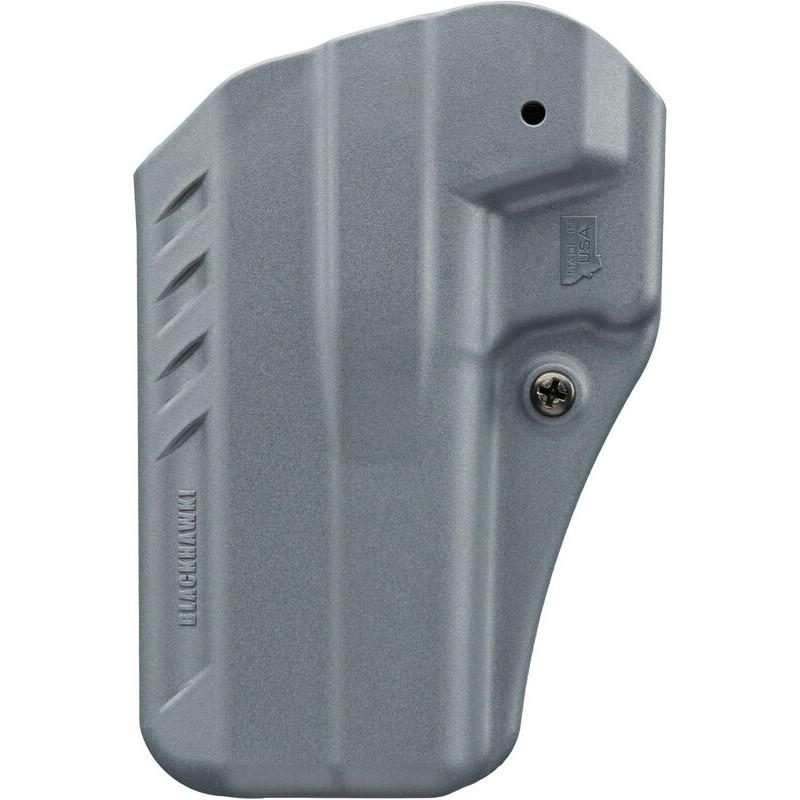
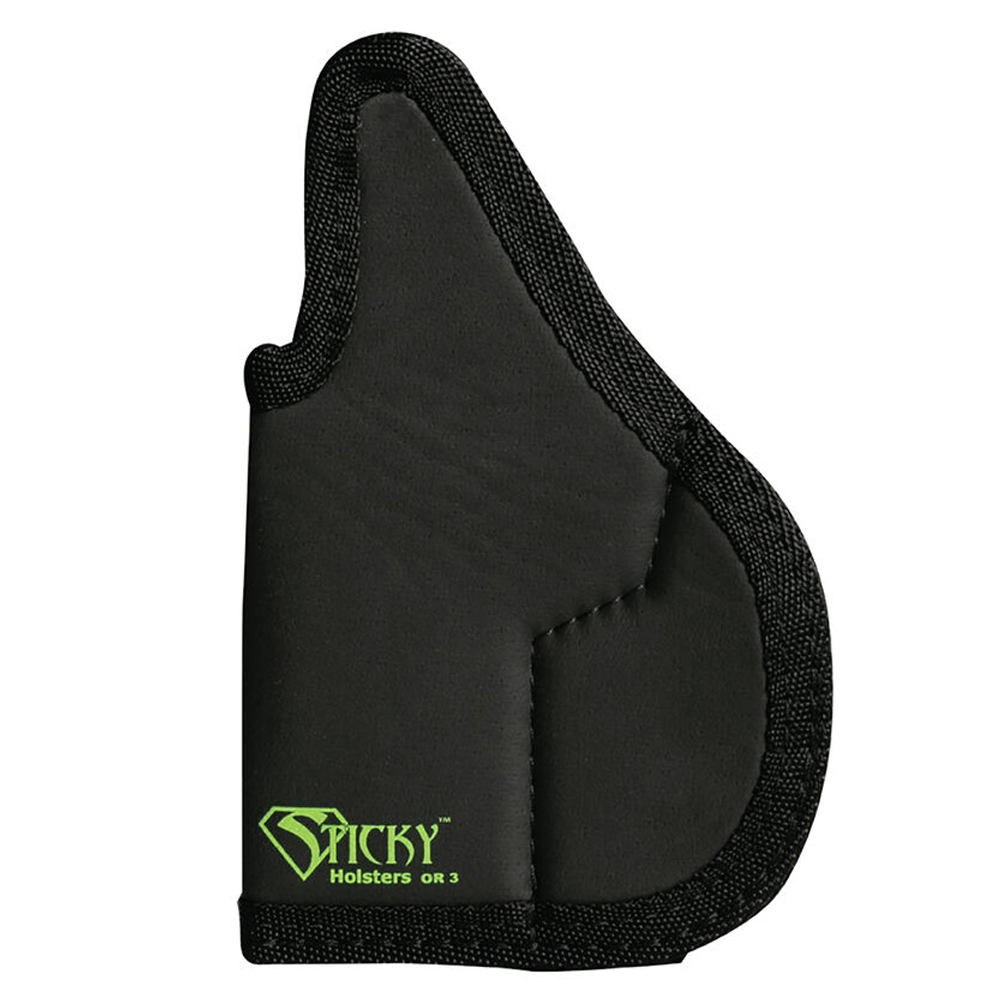
- Optic channel depth: Some holsters are molded for lower-profile open emitters and may drag on enclosed housings or battery caps.
- Rear sight location: Some slides position the rear sight in front of the optic. That can affect window occlusion and your preferred co-witness height.
- Suppressor-height sights: Decide if you want them. On micro pistols, tall sights can snag and add width. Many shooters rely on the dot and carry an occluded-dot index skill instead.
- Torque and recheck schedule: Small screws loosen. Build a habit: torque to spec, mark screws with witness paint, and recheck after the first range session.
Decision framework: is the Defender-CCW Enclosed the right carry dot for you?
Use a simple priority stack. Rank these from most important to least for your carry setup:
- Reliability under contamination (lint, rain, sweat)
- Mounting compatibility with your slide cut and screws
- Holster clearance for your exact holster model
- Battery maintenance method you will actually follow
- Window clarity and reticle preference for your vision and training style
The Defender-CCW Enclosed makes the most sense for shooters who want enclosed-emitter durability on an RMSc-cut pistol and who value easy battery swaps without re-zeroing. The main buyer risk is holster clearance due to the side battery compartment. Confirm that piece early and the rest of the ownership experience tends to be straightforward.
Long-term ownership: maintenance, storage, and transport
Red dots are durable, but carry grime is relentless. A minimal maintenance routine prevents most problems:
- Weekly: wipe the exterior, check window clarity, confirm brightness setting still matches your environment.
- Monthly: inspect mounting screws and witness marks, verify the dot does not flicker under light taps, clean the lens with proper lens tools.
- Battery schedule: pick a calendar interval you will keep. Even with long runtimes, preventative changes reduce surprises.
- Storage: avoid leaving a carry gun in a humid case. If the pistol gets soaked, dry it, remove trapped moisture around the optic base, and lightly protect exposed metal.
Bottom line
The Vortex Defender-CCW Enclosed brings enclosed-emitter durability to the RMSc micro-compact category with a feature set that aligns with real concealed carry problems. It supports accurate shooting at realistic distances, holds up through impact and water exposure, and keeps battery maintenance simple. The defining tradeoff is the extra width from the side battery cap, which can affect certain holsters. Confirm fit and you get a carry-ready enclosed dot built for long-term, daily use.
Related reading
For the broader picture, start with Carry Red Dot Guide.
- Carry Red Dot Guide – Use this as the evergreen parent for micro-dot buying questions so individual optic reviews reinforce one durable carry optics page.
- Steiner MPS-C Review: Compact Enclosed-Emitter Dot for RMSc Carry Guns
- Osight SE Green Multi-Reticle: What the Specs Mean for Real-World CCW Use
Shop related gear
- Red Dot Sights – Compare footprint, window size, enclosure, and carry-focused durability in one place.
- Scope & Sight Mounting – Mounting hardware and setup tools for getting optics aligned correctly the first time.
- Reptilia ROF-90 Mount FDE – A concrete mount option for ACRO and Steiner MPS pattern optics on 34mm tubes.
- Reptilia ROF-90 Mount Black – The same ACRO and Steiner MPS fit in a black finish for 34mm tube setups.
FAQ
Yes. The enclosed emitter helps protect the optic from lint, sweat, and moisture common in daily concealed carry, and it supports practical accuracy and consistent tracking during training.
It is designed for the RMSc footprint used on many micro-compact and slim 9mm optics-ready pistols. Confirm your exact slide cut and screw length requirements before mounting.
Holster fit depends on the optic channel and clearance around the slide. The side-loading battery cap adds width, so verify smooth draw and reholster without drag.
Yes for ownership reliability. Side-loading lets you replace the CR2032 without removing the optic, helping preserve zero and reducing repeated stress on mounting screws, with the tradeoff of added slide width.
A 3 MOA dot favors precision at 15 to 25 yards. A circle-dot can speed acquisition at close range. Choose based on performance in your draw and recoil-control drills.
Zero at 10 or 15 yards, then confirm at 25. Use a stable rest for initial groups, make small adjustments, and finish with confirmation from realistic shooting positions.
Clean the window, inspect mounting screws with witness marks, follow a battery replacement schedule, and dry the optic and mounting area after heavy sweat or rain exposure.
Often, yes. Enclosed emitters reduce contamination issues and maintain dot visibility in wet or dirty conditions, improving confidence for carry use over time.
Was this useful?