
Brief
Steiner MPS-C Review: Compact Enclosed-Emitter Dot for RMSc Carry Guns
Practical review of the Steiner MPS-C enclosed-emitter RMSc red dot. Fit, durability, window size, battery planning, mounting checks, and carry reliability.
Shop this at BLVista
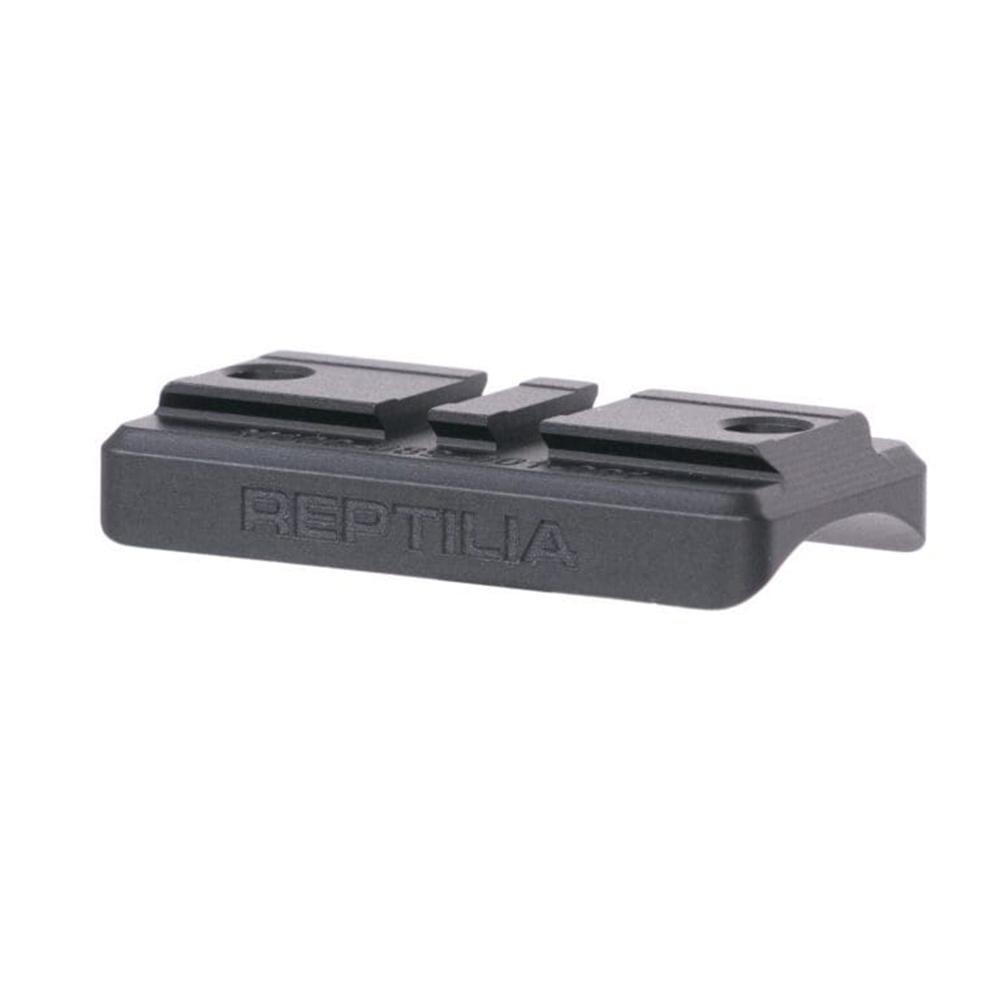 Reptilia Saddle Mount for Steiner MPS & Aimpoint ACRO Optics for Beretta 1301/A300 Black
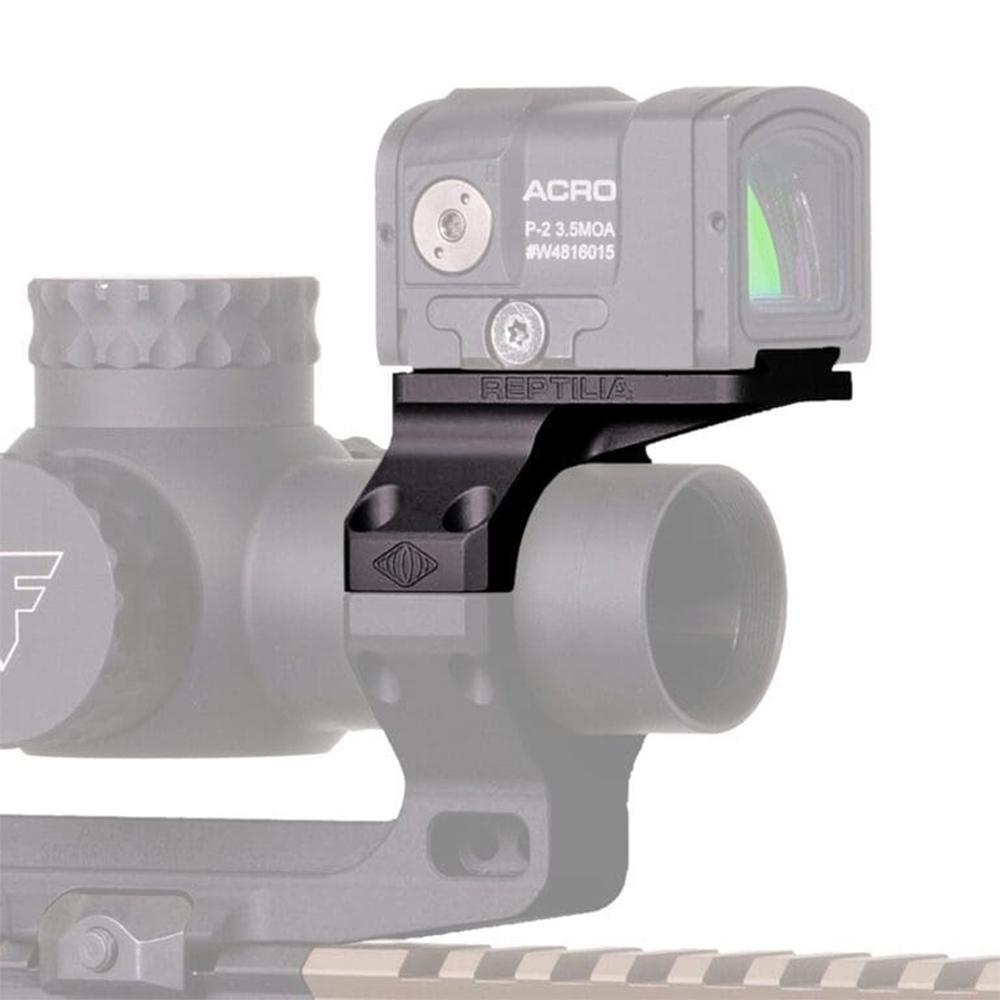 Reptilia ROF-90 Red Dot Mount for Aimpoint Acro P1/P2 and Steiner MPS 30mm Black
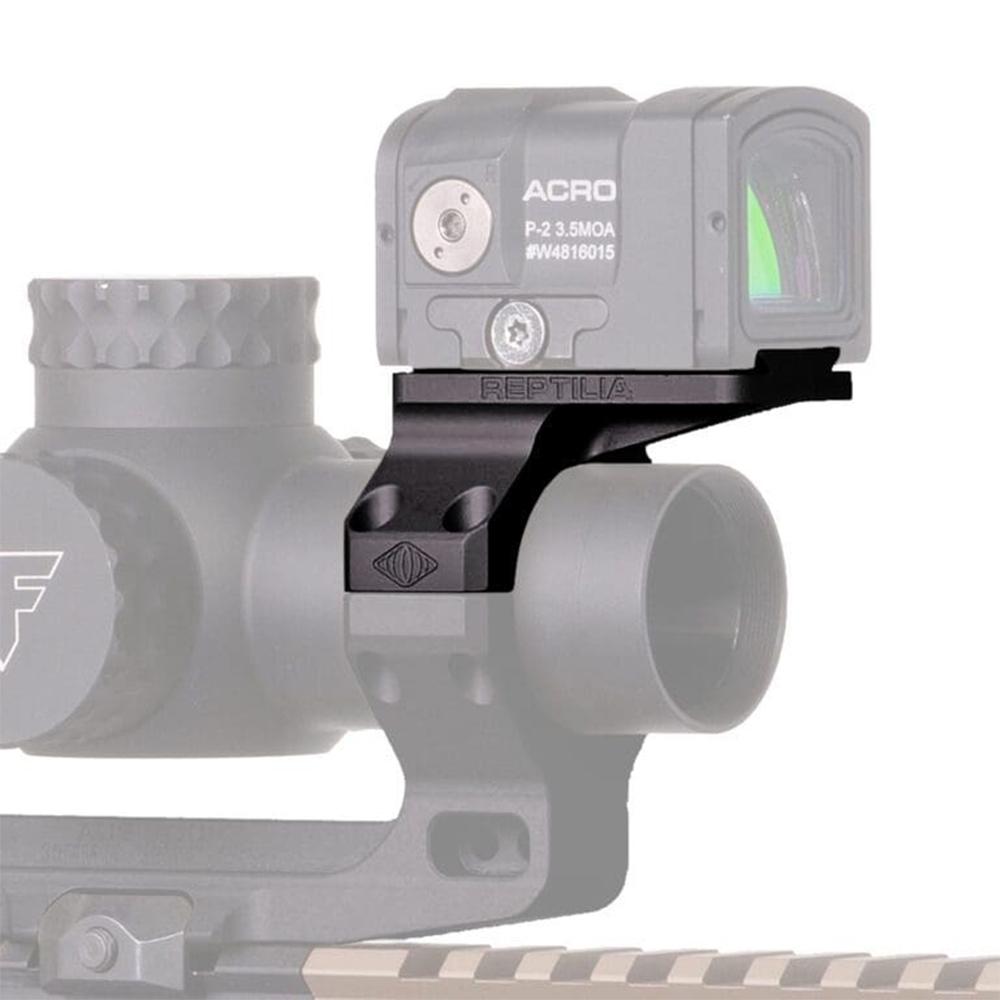 Reptilia ROF-90 Red Dot Mount for Aimpoint Acro P1/P2 and Steiner MPS 34mm Black
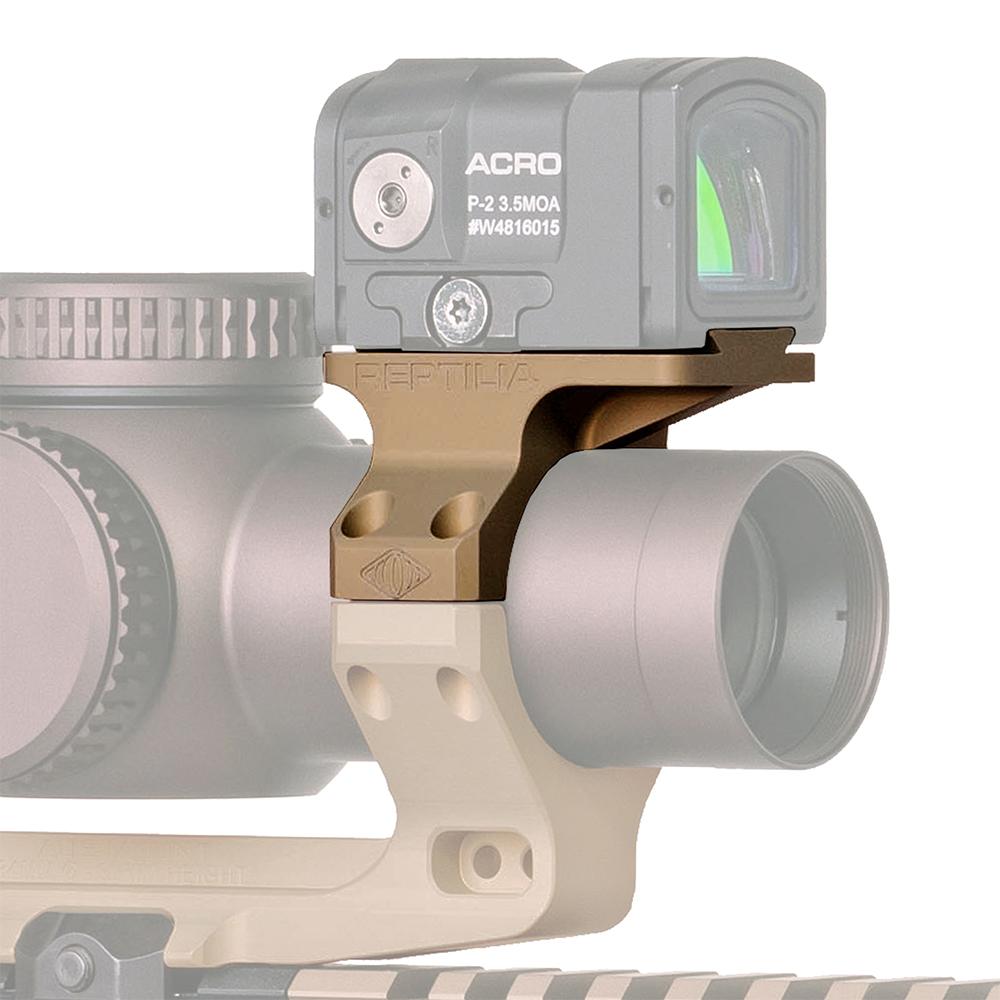 Reptilia ROF-90 Red Dot Mount for Aimpoint Acro P1/P2 and Steiner MPS 34mm FDE
Start here
Carry Red Dot Guide
Read the guideUse this as the evergreen parent for micro-dot buying questions so individual optic reviews reinforce one durable carry optics page.
Use the evergreen guide first, then come back to this article for the narrower case or product angle.
Enclosed-emitter pistol dots keep gaining ground with people who actually carry and train. The appeal is simple: carry optics live in lint, sweat, holsters, and weather. An open emitter can run fine on a range gun, yet it gives debris and moisture a direct path to the LED. An enclosed emitter puts a sealed wall between real life and the emitter, which reduces dot loss from pocket lint, skin oils, rain, or a wet cover garment.
Steiner’s MPS-C takes the company’s proven MPS concept and scales it down for compact and subcompact pistols using the RMSc footprint. That footprint matters because it determines whether the optic fits the slide without adapter plates, extra screws, or stacking tolerances. For many carry guns, a direct RMSc mount is the difference between a rugged setup and one that slowly loosens under recoil and daily movement.
What the MPS-C is built for
The MPS-C is aimed at pistols like the P365 family, Hellcat variants, Shield-size guns, and similar platforms that ship with RMSc pattern cuts or can be milled to RMSc. In that context, size and snag resistance matter as much as glass quality. Steiner lists the MPS-C at 1.46 x 1.27 x 1.08 inches and 1.13 ounces. Those numbers suggest it should carry well on slimmer slides and avoid turning an already compact pistol into a top-heavy rig.
The housing is Class III hard-anodized aluminum with reinforced sidewalls and a recessed window. On a carry optic, those design choices are more than spec-sheet filler. A recessed window reduces the chance of the lens edge taking the first hit when the gun contacts a belt buckle, door frame, or barricade. Reinforced sidewalls help when the optic gets leveraged during one-handed manipulations, which is a common training standard for defensive pistols.
Enclosed emitter: the real-world reliability angle
People often talk about enclosed emitters as if they are only for rain. The bigger advantage is consistency when the gun lives against your body and inside a holster. Sweat carries salt and oils that creep into corners. Lint builds up fast. If you carry appendix, the optic is frequently the closest part of the pistol to the body and clothing. A sealed emitter reduces the number of failure modes that show up at the worst time: a smeared emitter window, a blocked LED, or a dot that dims or distorts because the emitter area is contaminated.
Enclosed designs also change your maintenance rhythm. With an open emitter, you end up inspecting and cleaning the emitter shelf often. With an enclosed optic, maintenance becomes mostly about the exterior glass and ensuring your mounting screws stay correctly torqued and sealed. You still need to keep the lens clean, but you spend less time chasing debris inside the optic body.
Window size and dot size: practical performance, not internet arguments
The MPS-C window is listed at 20 x 16 mm. That is not huge, yet it is workable on a carry dot if your draw and presentation are consistent. Window size helps you find the dot when your index is sloppy, but it does not replace training. A smaller window places a premium on:
- Repeatable presentation with the gun meeting your eyeline, not your head hunting the dot
- Iron sight co-witness planning so you can reference irons to re-center the dot when needed
- Holster setup and belt stiffness that keep the gun in the same position every time
Steiner specs a 1.6 MOA dot. For defensive carry, that size is a sensible middle ground. It supports more precise shots at distance or on partial targets while staying small enough to refine your sight picture on steel at 25 yards and beyond. The tradeoff is that smaller dots can be harder to pick up in bright sunlight or under stress if brightness is not set properly or if the shooter has significant astigmatism. If you already know you see starbursts with red dots, plan to evaluate this optic in person if possible, and consider how it looks at both indoor and outdoor brightness levels.
Brightness controls, NV settings, and what matters for concealed carry
The MPS-C offers 12 brightness levels, including two night-vision compatible modes. For most concealed carriers, the key is not NV mode. It is whether the optic gives you enough adjustment range to run:
- Bright enough outdoors on a white target in hard sun
- Dim enough indoors to avoid flare and blooming on dark targets
- Consistent settings that do not change easily from casual contact or holstering
If you carry daily, you also want a control layout you can operate with cold hands and minimal visual attention. Smaller optics sometimes compromise here with tiny buttons. Before buying, consider whether you are the type of user who sets brightness once and leaves it alone, or someone who adjusts for every lighting condition. The optic should match your habits.
Battery system and power management: how to think about ownership
The MPS-C uses a CR1632 battery. Steiner lists battery life up to 46,125 hours on the lowest setting and about 13,000 hours at a mid setting, along with shake-awake and a user-selectable 13-hour auto-off. Battery life claims are useful for comparison, but carry optics should be managed with a calendar and a routine rather than hope.
A practical approach:
- Pick a replacement interval that matches your carry schedule and climate. Many owners choose 6 or 12 months regardless of claimed life.
- Confirm the dot every day as part of your loadout check, the same way you check a weapon light.
- Carry a spare battery in your range bag and keep one at home with your torque driver and threadlocker.
Also think about battery availability. CR1632 is common but not as universal as CR2032. If you travel or stock consumables for multiple optics, standardizing battery types can simplify logistics.
RMSc footprint fit, screws, and compatibility checks
The RMSc footprint helps the MPS-C land on popular slimline carry guns, yet “RMSc” can still vary depending on the manufacturer’s slide cut depth and screw length requirements. Before purchase, run this checklist:
- Confirm your slide cut standard (factory cut, aftermarket slide, or milled slide). Ask the slide maker what optics fit without modification.
- Use correct screws. Screw length matters. Too long can bind the extractor plunger channel or bottom out and give false torque.
- Use proper torque and threadlocker that is rated for fasteners and heat, and follow the optic maker’s spec.
- Check iron sight height for the co-witness you want. Decide whether you prefer lower-third or full co-witness.
After mounting, confirm zero, then confirm it again after your first 200 to 300 rounds. Carry optics fail more often from mounting and fastener mistakes than from electronics.
Price reality: what you are paying for and how to decide
With an MSRP of $574.99, the MPS-C sits above several enclosed-emitter options in the compact carry space. Price can be justified if you value housing strength, sealing, and long-term durability, especially if you train hard and use the optic for one-handed manipulations and barricade work. Price also raises the expectation that the optic will hold zero, resist impact, and survive years of sweat exposure and temperature swings.
Here is a simple decision framework for a carry-dot purchase at this tier:
- Reliability under carry conditions: enclosed emitter, sealing quality, control robustness, and proven durability.
- Mounting confidence: direct footprint fit for your slide, correct screws available, and repeatable torque spec.
- Glass and dot usability: dot clarity for your eyes, window size that matches your training, and brightness range that works indoors and out.
- Lifecycle cost: batteries, replacement parts availability, warranty support, and whether you can standardize across guns.
- Training alignment: if you rarely shoot, spending more on ruggedness might not change outcomes. If you train monthly and run drills, durability pays back.
If your pistol is a true daily carry gun, the enclosed emitter design and reinforced housing are meaningful features. The question becomes whether the premium aligns with how hard you are on gear, how much you shoot, and whether you want to standardize on a specific footprint and battery type across your carry rotation.
Steiner MPS-C key specs (quick reference)
- Magnification: 1x
- Footprint: RMSc
- Reticle: 1.6 MOA red dot
- Brightness: 12 levels (10 day/low-light, 2 NV-compatible)
- Weight: 1.13 oz
- Dimensions: 1.46 x 1.27 x 1.08 in
- Window: 20 x 16 mm
- Housing: Class III hard-anodized aluminum
- Battery: CR1632
- Battery life: up to 46,125 hours (low setting), about 13,000 hours (mid setting)
- MSRP: $574.99
Related reading
For the broader picture, start with Carry Red Dot Guide.
- Carry Red Dot Guide – Use this as the evergreen parent for micro-dot buying questions so individual optic reviews reinforce one durable carry optics page.
- Vortex Defender-CCW Enclosed on RMSc Pistols: Real-World Reliability for Daily Carry
- Osight SE Green Multi-Reticle: What the Specs Mean for Real-World CCW Use
Shop related gear
- Red Dot Sights – Compare footprint, window size, enclosure, and carry-focused durability in one place.
- Scope & Sight Mounting – Mounting hardware and setup tools for getting optics aligned correctly the first time.
- Reptilia ROF-90 Mount FDE – A concrete mount option for ACRO and Steiner MPS pattern optics on 34mm tubes.
- Reptilia ROF-90 Mount Black – The same ACRO and Steiner MPS fit in a black finish for 34mm tube setups.
FAQ
For daily carry, an enclosed-emitter optic reduces dot failures caused by lint, sweat, and moisture reaching the emitter. It also simplifies cleaning because you focus on the exterior lens instead of the emitter shelf.
The MPS-C uses the RMSc footprint. Many slimline carry guns and slides cut for RMSc can mount it directly. Confirm your exact slide cut and screw length requirements before buying to avoid fit and torque issues.
The window is 20 x 16 mm. That size works for defensive carry with a consistent presentation and regular practice. Shooters who rely on a large window to find the dot may prefer a bigger optic or additional training time to tighten their index.
A 1.6 MOA dot supports precise aiming at distance and on partial targets. It can feel smaller to acquire in bright light if brightness is set too low. If you have astigmatism, evaluate how the dot appears to your eyes before committing.
The MPS-C uses a CR1632. Even with long rated battery life, a carry optic should follow a planned replacement schedule. Many owners replace annually or every six months and confirm dot function daily as part of a safety check.
Use the correct screws, torque them to the manufacturer’s spec, and apply a suitable threadlocker if recommended. Recheck torque after the first few range sessions, then verify zero periodically. Most mounting problems come from screw length and torque errors, not the optic itself.
Use a holster that fully covers the trigger guard and protects the optic from impact. For storage, keep the pistol in a dry environment and wipe down the optic and slide after exposure to sweat or rain. For transport to the range, a padded case helps protect the lens and housing from being crushed by other gear.
Was this useful?