
Brief
Daniel Defense DD5 V4 and .308 Semi-Auto Rifles
Compare .308 semi-auto rifles by barrel length, weight, action type, magazines, optics, suppression, maintenance, and real-world ownership needs.
Shop this at BLVista
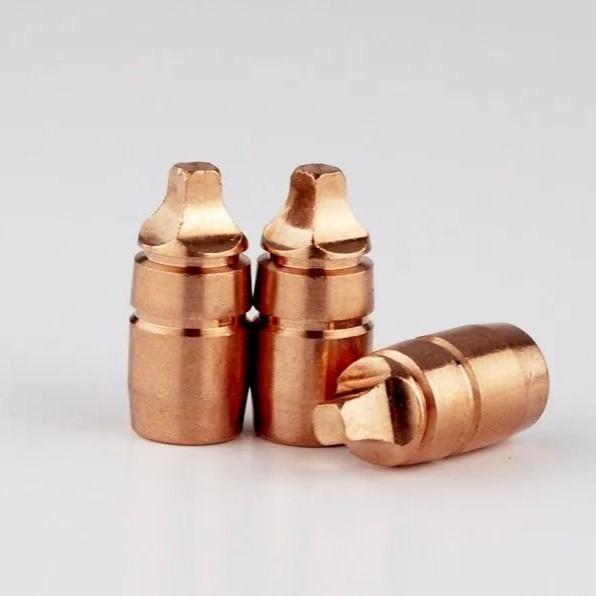
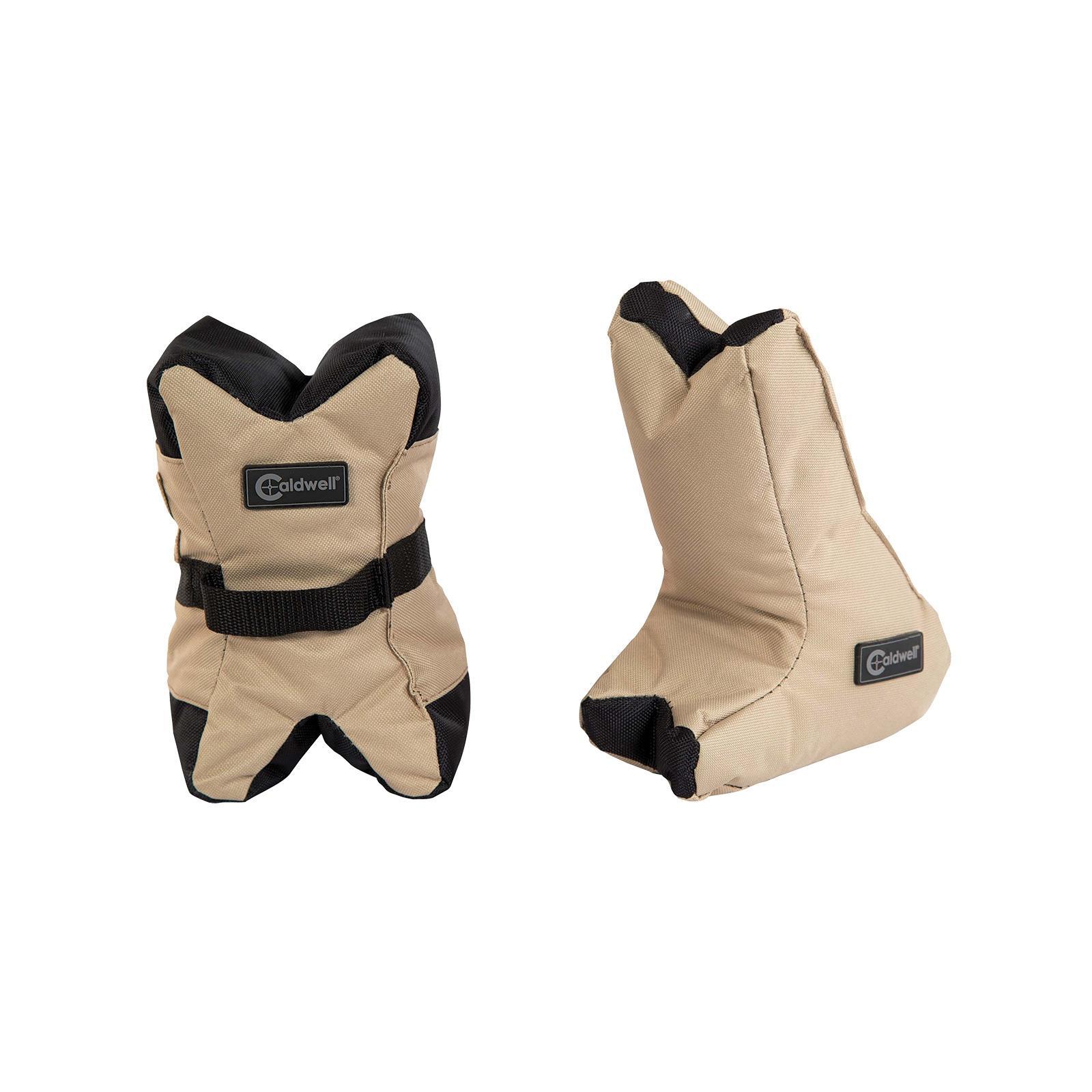
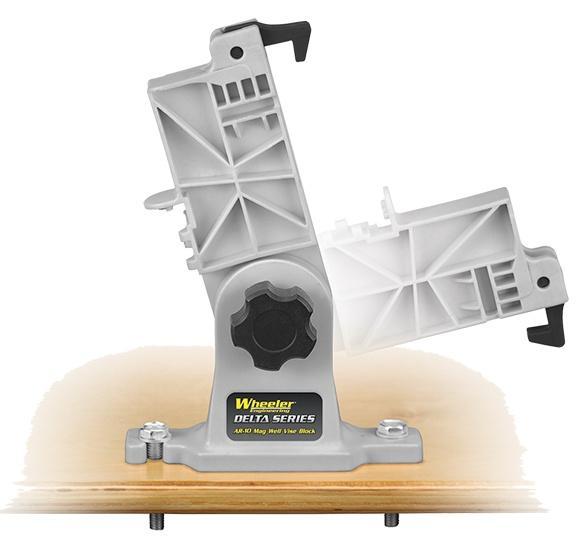
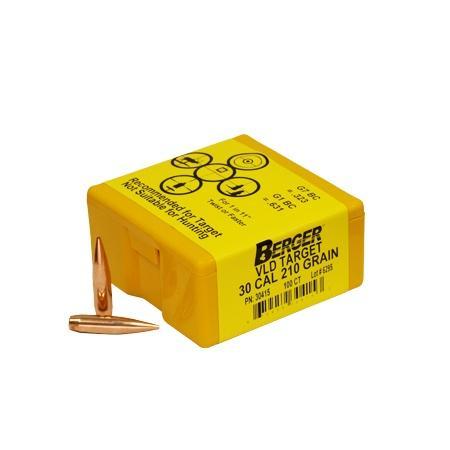
A .308 semi-auto rifle is bought for a different job than a lightweight 5.56 carbine. The rifle is larger, ammunition costs more, recoil is stronger, magazines are heavier, and the payoff is meaningful energy from a .30 caliber bullet. For hunters, rural property owners, precision range shooters, and collectors who want a true battle rifle format, .308 Winchester and 7.62x51mm NATO still make sense.
The challenge is sorting rifles that share a cartridge while behaving very differently. A direct impingement AR-10 pattern rifle, a short-stroke piston SCAR style rifle, a long-stroke piston Galil type rifle, an M1A, an FAL, and a roller-delayed G3 pattern gun all ask different things from the owner. They vary in maintenance, optic mounting, suppressor tuning, magazine cost, weight balance, and how much abuse they tolerate between cleanings.
This guide focuses on the rifles and specifications that matter in real use, using known figures where available. If you are comparing .308 semi-auto rifles for hunting, range work, property defense, or long-term ownership, start with the role first and the model second.
Why .308 Win and 7.62 NATO Still Matter
.308 Winchester and 7.62x51mm NATO give shooters access to common 147 grain FMJ range ammunition, 150 grain hunting soft points, and 168 grain or 175 grain match loads. That range of projectile weights makes the cartridge useful across training, deer-size game, steel targets, and distance work.
A quality .308 semi-auto can be used at 100 yards for zeroing and positional drills, at 300 to 600 yards for field-style shooting, and farther with match ammunition and a competent shooter. Many buyers mention 1,000 yards when discussing .308. The cartridge can get there with the right rifle, optic, and ammunition, although wind reading becomes a larger part of the problem than raw mechanical accuracy.
The tradeoff is weight. A 20 round .308 magazine loaded with ammunition is substantially heavier than a loaded 30 round 5.56 magazine. Recoil also affects follow-up shots, especially from awkward positions or lightweight rifles. For a shooter building a realistic rifle setup, the complete system matters. Rifle, optic, mount, sling, bipod, light, suppressor, magazines, and ammunition can push a manageable 8 pound rifle past 11 pounds very quickly.
BLVista readers comparing rifles, magazines, optics, and support gear can start with .308 semi-auto rifle gear and narrow choices by use case rather than brand preference alone.
Key Specifications That Change the Rifle
Before comparing named models, use a simple checklist. The best .308 semi-auto rifle for a blind hunt may be a poor choice for a suppressed range rifle, and a classic battle rifle may make little sense for a shooter who wants fast optic swaps and modern accessories.
- Barrel length: 16 to 18 inches is common on modern .308 semi-autos. A 20 to 22 inch barrel can help with velocity and sight radius, but it adds length and front-end weight.
- Weight: Known rifles in this category range from about 7.8 pounds to 9.5 pounds before optics and loaded magazines.
- Magazine pattern: SR-25 or AR-10 style magazines are common on many modern rifles. M1A, FAL, and G3 pattern rifles use their own magazine systems.
- Operating system: Direct impingement is common in AR-10 style rifles. Piston and roller-delayed systems change recoil feel, cleaning routine, and suppressor behavior.
- Gas adjustment: Adjustable gas is valuable for suppressor use, hotter ammunition, and reducing unnecessary bolt speed.
- Optics mounting: A continuous top rail simplifies scope and red dot mounting. Side mounts and dust cover rails require more attention to cheek weld and repeatable zero.
- Muzzle threads: Many .308 rifles use 5/8×24 threads, but buyers should confirm the exact model before ordering a brake, flash hider, or suppressor mount.
If suppression is part of the plan, review compatible mounts, thread pitch, and gas tuning early. The BLVista suppressor buyer guide is a useful starting point for understanding fitment, host rifle setup, storage, and long-term ownership considerations.
Daniel Defense DD5 V4
The Daniel Defense DD5 V4 is the accuracy-centered modern option in this group. Known specifications include .308 Win or 7.62 NATO chambering, direct impingement operation, 20 round capacity, an 18 inch barrel, 39 inch overall length, and an unloaded weight of 8.6 pounds.
The DD5 V4 fits the buyer who wants AR-style controls, easy optic mounting, and a rifle that can cover hunting, range training, and precision-oriented shooting without starting from a bargain-bin receiver set. The 18 inch barrel is a sensible middle ground. It keeps the rifle shorter than a 20 or 22 inch system while still giving .308 enough barrel to perform well with match and hunting loads.
The main advantage of this type of rifle is ecosystem support. Stocks, grips, optics mounts, bipods, slings, lights, and many fire control parts are easier to manage than they are on classic battle rifle platforms. The caution is compatibility. Large-frame ARs do not have the same universal parts standard as AR-15s. Some receiver, rail, bolt carrier, and small-part dimensions can vary by manufacturer. A buyer planning future upgrades should confirm compatibility before ordering parts.
For a rifle like this, the trigger matters. A basic service-style trigger can limit what a good barrel and match ammunition are capable of showing from the bench. If the rifle is intended for 100 yard group testing and 600 yard steel, a quality two-stage trigger is often one of the most useful upgrades after optic selection.
Palmetto State Armory PA-10 Gen 3
The PA-10 Gen 3 occupies the value-driven AR-10 space. Known specifications include .308 Win or 7.62 NATO chambering, direct impingement operation, 20 round capacity, an 18 inch barrel, 39 inch overall length, and an unloaded weight of 7.8 pounds. Some configurations include a 5 position adjustable gas block and a two-stage trigger around 4.5 pounds.
The strongest argument for this rifle type is cost control. A shooter who wants a .308 semi-auto for training, hunting from a stand, or learning large-frame AR maintenance can enter the platform without spending premium rifle money. The lighter listed weight also matters once a scope, mount, sling, and full magazine are added.
The compromise is refinement and parts certainty. Budget large-frame ARs can shoot very well, especially with a 416R stainless barrel and ammunition the rifle likes, but fit, finish, and long-term wear should be evaluated honestly. Stainless barrels can be accurate and cost effective. They also deserve reasonable corrosion care after wet range days, humid storage, or hunting in rain and snow.
An adjustable gas block is a major advantage in this price class. A .308 AR that is over-gassed can feel unnecessarily sharp and can beat up brass and internal parts. Gas adjustment helps tune the rifle for 147 grain range ammunition, heavier 168 grain or 175 grain match loads, and suppressed use when applicable.
FN SCAR 17S
The FN SCAR 17S is a modern piston battle rifle with known specifications that include .308 Win or 7.62 NATO chambering, a short-stroke piston system, 20 round capacity, a 16.25 inch barrel, 38.5 inch overall length, and an unloaded weight of 8 pounds.
This rifle suits a buyer who values a purpose-built military-style layout, folding stock storage advantages, and a comparatively low weight for the cartridge. A 16.25 inch .308 gives up some velocity compared with longer barrels, but it carries and stores well. For vehicle transport, confined storage, and field movement, that matters.
The short-stroke piston system helps keep some gas and fouling away from the receiver compared with direct impingement designs. That does not remove the need for cleaning. It changes where maintenance attention goes. Buyers should inspect piston components, locking surfaces, muzzle device fitment, and stock hinge condition as part of the ownership cycle.
The SCAR pattern is also a good example of why total system cost matters. Magazines, triggers, optics mounts, replacement parts, and accessories can be more expensive than common AR-10 components. For a shooter who intends to buy 10 magazines, a sling, optic, light, spare parts, and a suppressor mount, the rifle price is only the start.
IWI Galil ACE Gen 2 in 7.62 NATO
The Galil ACE Gen 2 in 7.62 NATO uses a long-stroke piston system. Known figures include 20 round capacity, a 16 inch barrel, 34.5 inch overall length, and an unloaded weight of 8.3 pounds.
This rifle appeals to shooters who like the rugged feel of an AK-derived operating system while wanting modern controls and accessory mounting. The left-side non-reciprocating charging handle is a real advantage for many right-handed shooters because the firing hand can stay on the grip during charging and reloads.
The major tradeoff is balance. Long-stroke piston rifles often feel front heavy, especially after adding a light, suppressor, or heavier muzzle device. That may be acceptable for bench shooting and short field use. It becomes more noticeable during long standing strings, barricade work, and hunting movement through uneven terrain.
Optic mounting deserves attention. A dust cover rail can work when it is tightly fitted, but buyers should verify repeatable zero after removal and reinstallation. For a rifle that will use magnified glass, confirm cheek weld, rail stability, and ring height before assuming it will behave like a continuous receiver rail AR.
Springfield Armory M1A Loaded
The M1A Loaded is the classic American option. Known specifications include .308 Win or 7.62 NATO chambering, short-stroke piston operation, 10 or 20 round capacity, a 22 inch barrel, 44.33 inch overall length, and an unloaded weight of 9.5 pounds.
The 22 inch National Match style barrel and iron sight layout give this rifle a different identity from the modern 16 to 18 inch options. The long sight radius and strong iron sights make it rewarding for marksmanship practice. The added length and 9.5 pound starting weight make it less attractive for compact storage or long carries.
Scope mounting is the main ownership issue. The M1A was designed around irons. Adding a scope usually requires a side mount and a cheek riser to create a repeatable head position. Without that cheek support, the shooter may float above the stock, which hurts consistency.
Maintenance also differs from an AR. Repeatedly removing the action from the stock can affect bedding and consistency on some setups. A smart owner learns what needs routine cleaning and what should be left alone unless deeper service is required.
DSA SA58 FAL
The SA58 FAL represents the international classic battle rifle format. Known specifications for a traditional fixed-stock version include .308 Win or 7.62 NATO chambering, short-stroke piston operation, 20 round capacity, a 21 inch barrel, 43 inch overall length, and an unloaded weight of 9 pounds.
The FAL is attractive for shooters who value history, durable mechanical design, and an adjustable gas system. The gas adjustment is more than a curiosity. It lets the shooter tune the rifle to ammunition and environmental conditions, which can reduce excess recoil and cycling stress.
The tradeoff is modernization. Mounting optics, lights, and current support gear is less straightforward than it is on an AR-10. Quality magazines can also require more searching and inspection. Any buyer considering an FAL should price magazines, replacement springs, and spare wear parts before buying the rifle.
Accuracy expectations should remain realistic. A well-built FAL can be very useful, but buyers should approach it as a durable battle rifle rather than a precision gas gun. For many users, a 2 to 3 MOA expectation with suitable ammunition is a more realistic planning number than precision rifle standards.
PTR GIR 101 and G3 Pattern Rifles
The PTR GIR 101 brings the roller-delayed G3 style system into current production. Known specifications include .308 Win or 7.62 NATO chambering, roller-delayed blowback operation, 20 round capacity, an 18.2 inch barrel, 40.5 inch overall length, and an unloaded weight of 9.5 pounds.
The roller-delayed action gives this rifle a distinct recoil feel. Many shooters describe it as sharper than a well-tuned gas gun. The trigger can also feel heavy and less refined, with some examples reported around 9 to 10 pounds. That matters if the rifle will be used for small groups at 100 yards or precision targets at distance.
The advantage is durability and magazine availability. G3 pattern magazines have historically been inexpensive compared with many proprietary battle rifle magazines. Before buying, check the condition of any surplus magazines. Bent feed lips, weak springs, and worn locking surfaces can turn a reliable rifle into a frustrating one.
Reloaders should understand brass life. Roller-delayed rifles can be hard on cases, and fluted chambers often leave visible marks. If you plan to reload .308 Winchester, factor that into the cost of ownership.
How to Choose by Use Case
For a do-all modern rifle: Start with an 18 inch AR-10 pattern rifle around 8 to 9 pounds with 20 round magazines, a stable top rail, and a trigger you can shoot well.
For hunting: Prioritize carry weight, sling comfort, optic clarity, and cold-weather reliability. A 16 to 18 inch barrel is easier in blinds and brush. A 20 or 22 inch barrel can make sense where longer shots and supported positions are common.
For suppressed range use: Look for adjustable gas, 5/8×24 muzzle thread compatibility where applicable, adequate handguard clearance, and magazines that seat reliably with the bolt closed.
For classic collecting and iron sight shooting: The M1A, FAL, and G3 pattern rifles offer mechanical character and history. They ask more from the owner in optic mounting, parts planning, and platform-specific maintenance.
For budget-controlled ownership: Price the full package. Include the rifle, at least 5 magazines, sling, optic, mount, cleaning gear, spare batteries if using electronics, and enough ammunition for a 200 to 500 round break-in and confirmation cycle.
For glass selection on field and distance rifles, the BLVista rifle field optics guide can help match magnification, reticle style, and mounting height to the way the rifle will actually be used. For range setup, bags, slings, belts, and support equipment, compare options through the .308 rifle accessories search.
Storage, Transport, and Maintenance
A .308 semi-auto needs more storage planning than a smaller carbine. Overall lengths in this group range from 34.5 inches to 44.33 inches, and that does not include cases, optics, or muzzle devices. If the rifle has a folding stock, confirm how short it becomes for storage and whether it can be transported safely in your chosen case.
Use a case that protects the optic from side impact and keeps loaded magazines separate where required by state or local law. For hunting travel, confirm magazine capacity rules and transport rules before crossing jurisdictions. A 20 round magazine may be standard for the rifle and restricted for a specific hunt or location.
Maintenance intervals depend on the action type. Direct impingement rifles need regular bolt carrier group cleaning and lubrication. Piston rifles shift more attention forward to the gas system. Roller-delayed rifles require chamber attention and inspection of rollers, locking pieces, and extractor components. Across all platforms, track round count, inspect magazines, check optic mount torque, and confirm zero after major disassembly.
FAQ
Many current semi-auto rifles are marked for both .308 Win and 7.62 NATO, but the receiver and barrel markings matter. Use the ammunition the manufacturer approves for that rifle. As a general buying point, .308 Winchester offers a wide range of hunting and match loads, while 7.62 NATO is common for training ammunition.
A 16 to 18 inch barrel is the most useful range for many modern .308 semi-auto rifles because it balances handling and ballistic performance. A 20 to 22 inch barrel can help velocity and sight radius, but it adds length and weight. Hunters in thick cover often prefer shorter rifles. Bench and field shooters may accept longer barrels.
Common rifles in this category often start between 7.8 and 9.5 pounds unloaded. The finished rifle can gain several pounds after adding a scope, mount, sling, bipod, suppressor, and loaded 20 round magazine. Buyers should compare complete carry weight rather than catalog rifle weight alone.
Large-frame AR rifles have less standardization than AR-15s. Receiver patterns, handguards, bolt carrier groups, barrel extensions, and small parts can vary. Before buying upgrades, confirm compatibility with the exact rifle model. BLVista helps buyers reduce parts confusion by encouraging model-specific fitment checks before purchase.
Yes, where lawful. A .308 semi-auto can be effective for deer-size game with suitable hunting ammunition such as 150 grain or similar expanding bullets. Check local hunting regulations for magazine capacity, allowed firearm types, transport rules, and caliber requirements before taking the rifle into the field.
Plan for at least 5 reliable magazines, a quality sling, a durable optic and mount, cleaning gear, lubricant, a bore guide or pull-through system, and enough ammunition to confirm function. If the rifle will be suppressed, confirm thread pitch, gas adjustment, and suppressor mount compatibility before buying accessories.
Was this useful?