
Brief
Falco D910 L Light-Bearing Chest Holster: Practical Fit for Field Carry
Practical analysis of the Falco D910 L light-bearing Kydex chest holster for field carry, hunting, retention, safety, and compliance.
Shop this at BLVista
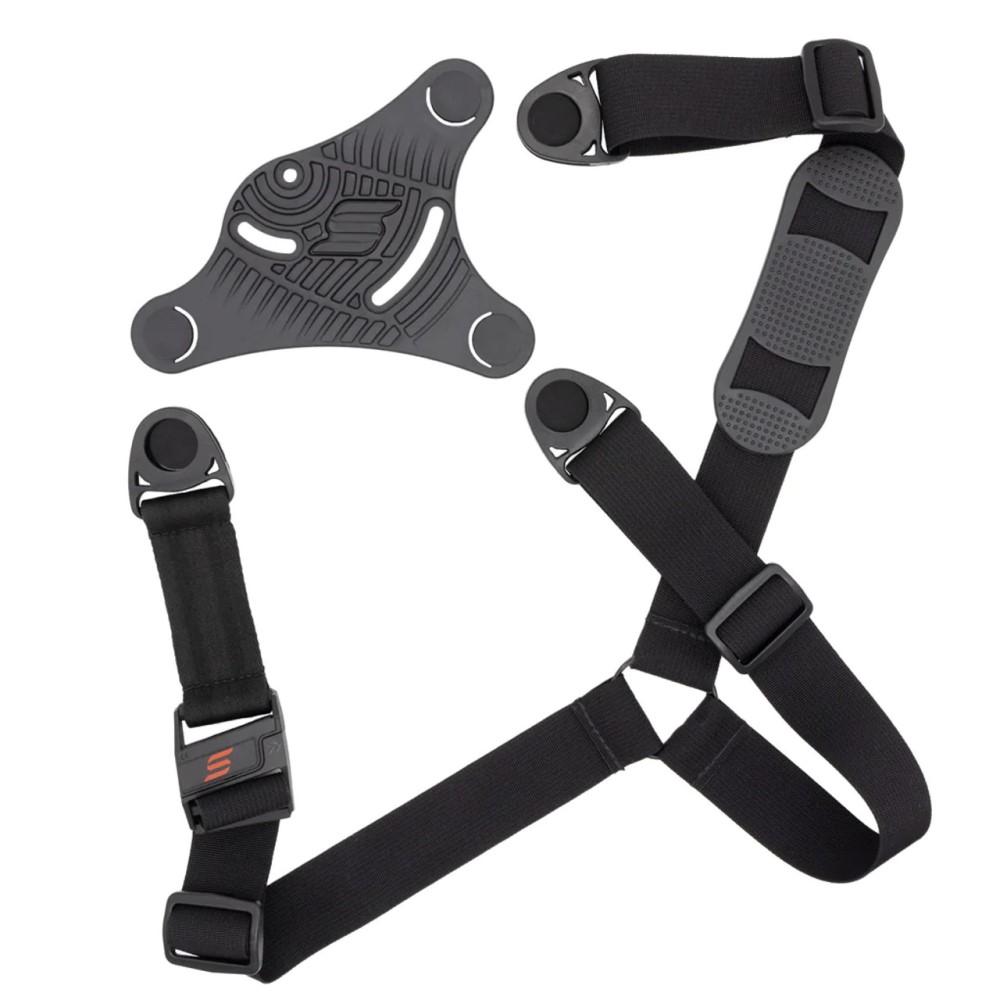
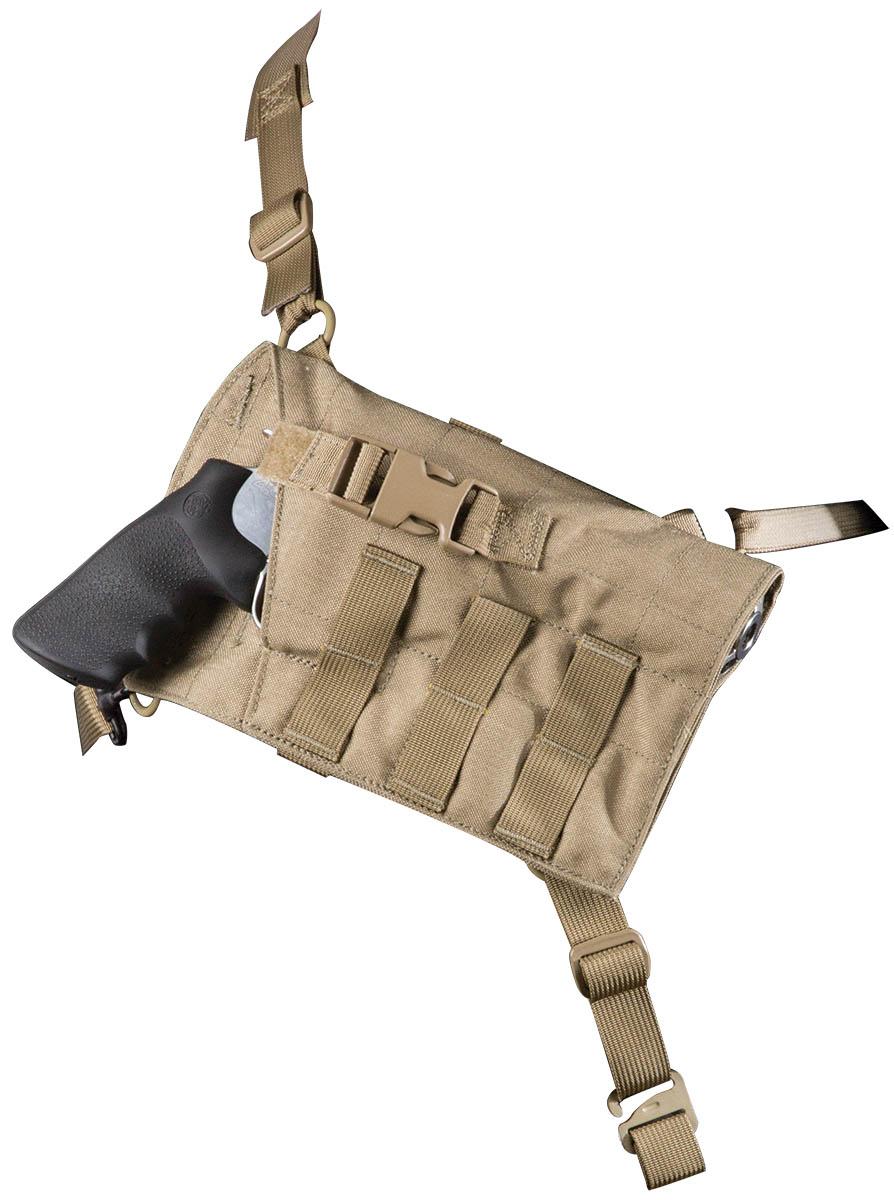
The Falco D910 L light-bearing Kydex chest holster fills a practical gap for shooters who carry a handgun in the field with a weapon-mounted light. Chest holsters have a narrow job description, but they matter when belt carry becomes awkward, inaccessible, or unsafe. Hunters, anglers, backcountry hikers, ATV riders, and shooters wearing packs or waders often need a handgun carried high, centered, and reachable with either cold-weather clothing or load-bearing gear in place.
The original D910 concept made sense for field carry, but weapon-light compatibility was the missing piece. A growing number of defensive and outdoor handguns now wear compact or full-size pistol lights. For many users, removing the light just to fit a holster defeats the purpose of setting up the handgun for low-light use around camp, during early morning hunts, or while moving through timber after sunset. The D910 L addresses that use case by giving light-equipped pistols a dedicated chest-carry option.
Why a Light-Bearing Chest Holster Matters
A handgun used outdoors often serves more than one role. It may be carried for personal defense, animal defense where lawful, camp security, or general emergency use. In those settings, visibility is part of responsible firearm use. A weapon-mounted light can help identify a threat, avoid unsafe assumptions, and support better control when one hand may be occupied with a leash, trekking pole, radio, or injured hunting partner.
Holster compatibility becomes the limiting factor. A light-bearing pistol has a different profile than the same pistol without the light. Kydex retention also changes because the holster may index on the light body, trigger guard area, slide, or a combination of geometry depending on design. A proper light-bearing holster should cover the trigger guard, retain the pistol consistently, and allow a clean draw without dragging against the light bezel or controls.
For field users, this is more than convenience. Poor holster fit can lead to inconsistent retention, premature wear, difficult reholstering, or unsafe trigger exposure. The correct holster should match the handgun and light combination closely. Buyers should treat the pistol-light pairing as a system, not as separate accessories.
Kydex as a Field Material
Kydex remains popular because it is rigid, moisture resistant, and predictable. Leather has advantages in comfort and traditional appearance, but Kydex performs well when exposed to rain, sweat, mud, and temperature swings. A chest holster used in the field may see brush contact, dust, snow, insect repellent, and repeated draw practice. A rigid shell helps preserve the draw path and keeps the mouth of the holster open for controlled reholstering.
The tradeoff is comfort and noise. Kydex can feel less forgiving against the body, especially under pack straps or over thin clothing. It can also make contact noise against jacket zippers, binocular harness hardware, or metal pack components. That does not make Kydex a poor choice. It means buyers should evaluate harness adjustment, ride height, and interference with other field gear before trusting the setup on a hunt or long hike.
Chest Carry Use Cases
Chest carry works best when the waistline is already occupied. A hip holster can conflict with pack belts, treestand harnesses, waders, sidearm laws for transport, or vehicle seating. A chest rig keeps the handgun above those problems and inside the user’s natural workspace.
Common use cases include backpacking with a loaded hip belt, fishing in waders, riding a side-by-side, carrying during rifle hunts, working around a remote property, and camping where local law allows handgun carry. It can also suit larger handguns that feel heavy or unstable on the belt. A chest holster spreads weight across the shoulders and torso, which helps during long movement but requires correct adjustment.
There are limits. Chest carry can interfere with bino harnesses, chest packs, rifle slings, and some climbing harnesses. It may also be slower under heavy outerwear unless the holster is worn over the jacket. Open chest carry can attract attention in shared public spaces, even when lawful. The user should understand local rules, land agency policies, and the practical effect of visible carry before choosing this method.
Fit, Retention, and Compatibility Checklist
Before buying any light-bearing chest holster, confirm five details. First, match the holster to the exact handgun model, barrel length, optic setup, and weapon light. Similar is not exact enough with molded Kydex. Second, verify trigger guard coverage with the pistol fully seated. Third, check retention with realistic movement, including bending, kneeling, entering a vehicle, and wearing a pack. Fourth, practice the draw with the layers and gloves you actually use outdoors. Fifth, confirm reholstering can be done deliberately without sweeping the body or fighting collapsed straps.
Optics also matter. Many outdoor and defensive pistols now wear red dots. A chest holster should provide clearance for the optic housing without scraping the lens or forcing an angled draw. Suppressor-height sights, threaded barrels, compensators, and extended controls can also affect fit. If the pistol has been modified, verify compatibility before assuming a standard listing will work.
For shoppers comparing chest holster options, BLVista’s product search is a useful starting point for checking available light-bearing chest holsters and related carry gear.
Retention in Real Movement
A chest holster should hold the pistol during more than a flat-range draw stroke. Field movement includes climbing over deadfall, crawling under fence wire where lawful, dragging game, leaning over a tailgate, or stumbling on loose rock. Adjustable retention is valuable because it lets the user balance draw speed with security.
Heavy recoil pistols and full-size lights add weight. That weight can shift if the harness is loose. A good setup should keep the grip in a consistent location without bouncing. The harness should allow enough adjustment for base layers in warm weather and insulated jackets in cold weather. Straps should stay flat, avoid neck abrasion, and clear the rifle stock pocket if the user is hunting with a long gun.
Safety and Training Considerations
Chest holsters require disciplined muzzle awareness. The draw angle differs from belt carry, and poor technique can bring the muzzle across the support arm or lower body. Training should start unloaded, with all ammunition removed from the room. Practice establishing a full firing grip, lifting or clearing cover garments, drawing straight out of the holster, and orienting the muzzle safely toward the target.
Reholstering deserves equal attention. Outdoor users often reholster while wearing gloves, under stress, or in poor light. Move slowly, look the pistol into the holster when conditions allow, and keep fingers clear of the trigger. A rigid Kydex mouth helps, but technique remains the controlling safety factor.
Weapon-light use also requires training. A pistol light is not a general-purpose flashlight. Use a handheld light for searching, navigation, and routine camp tasks. Reserve the weapon-mounted light for moments where the handgun is already justified under law and safety rules. This distinction matters for responsible 2A carry and reduces avoidable risk.
Maintenance and Long-Term Ownership
Kydex holsters need simple but regular upkeep. Dirt and grit can collect inside the shell and scratch the handgun finish or affect retention. Rinse or wipe the holster after muddy or dusty use, then dry it fully before storage. Inspect screws, spacers, and attachment points after range sessions and trips. Threaded hardware can loosen with vibration from vehicles, ATVs, and recoil during training days.
Do not leave a Kydex holster under heavy heat, such as on a dashboard or near a heater. Excessive heat can distort thermoplastic material and change fit. Store the holster where it stays clean and dry, away from solvents that could affect hardware or strap material. Check elastic and webbing components over time, especially if the holster sees sweat, sun, and freezing temperatures.
Compliance and Transport
Chest carry legality depends on jurisdiction, location, licensing status, and land type. Rules can vary between private land, state land, federal land, parks, vehicles, and hunting seasons. Some areas restrict loaded carry during transport or while engaged in specific hunting activities. Others treat visible carry differently than concealed carry. Buyers should verify current law before field use and understand how a chest holster may be classified when worn under or over outerwear.
Transport also matters. A chest holster is a carry method, not a secure storage solution. When the handgun is not under the owner’s direct control, use a locked case or compliant storage method. This is especially important around vehicles, camps, and shared cabins.
Who Should Consider the D910 L
The D910 L makes the most sense for users who already run a pistol-mounted light and need chest access in field conditions. It suits people who spend time outdoors with packs, waders, hunting clothing, or equipment that makes belt carry difficult. It is also relevant for shooters who train with the same pistol-light setup they carry, because consistency across range work and field use reduces surprises.
It will be less appealing to users who carry only compact pistols without lights, prefer deep concealment, or need a holster that disappears under normal street clothing. Chest holsters are purpose-built gear. They reward the user who understands the mission and sets up the rest of the kit around access, safety, and compliance.
If the handgun, light, optic, and intended use all line up, a light-bearing Kydex chest holster can be one of the more practical outdoor carry solutions available. The key is choosing by fit and function first. Match the holster to the exact pistol and light, test it with real gear, maintain it after hard use, and train until the draw is safe and repeatable. BLVista helps reduce purchase risk by focusing on those practical details, so buyers can choose 2A friendly tools that hold up beyond the product page.
FAQ
The Falco D910 L is designed for chest carry of a handgun equipped with a weapon-mounted light. It is most useful for outdoor carry, hunting, backpacking, fishing, ATV use, and other situations where belt carry conflicts with packs, waders, or field gear.
A light-bearing chest holster can be safe when it fits the exact handgun and light, fully covers the trigger guard, provides consistent retention, and is used with proper draw and reholstering technique. Users should practice unloaded before live-fire training.
Kydex is rigid, water resistant, easy to clean, and well suited to mud, sweat, rain, and dust. It maintains its shape for reholstering and can provide consistent retention, which matters during field carry and range training.
Many hunters use chest holsters because they remain accessible when wearing a pack, bino harness, or heavy clothing. Always confirm state hunting rules, carry laws, and land-specific regulations before carrying a handgun during a hunt.
Confirm exact compatibility with your handgun, weapon light, optic, barrel length, and any aftermarket controls. Also check retention adjustment, trigger guard coverage, harness comfort, pack compatibility, and how the holster works with your actual field clothing.
Was this useful?