
Brief
Guns & Gear Roundup: Practical Takeaways on Carry Pistols, Revolvers, PDWs, AKs, Weapon Lights, and Range Bags
Practical buying guidance on a .380 carry pistol, 686 Plus revolver, SA-35, 5.7 folding carbine, budget AK, pistol weapon light, and discreet range bag.
Shop this at BLVista
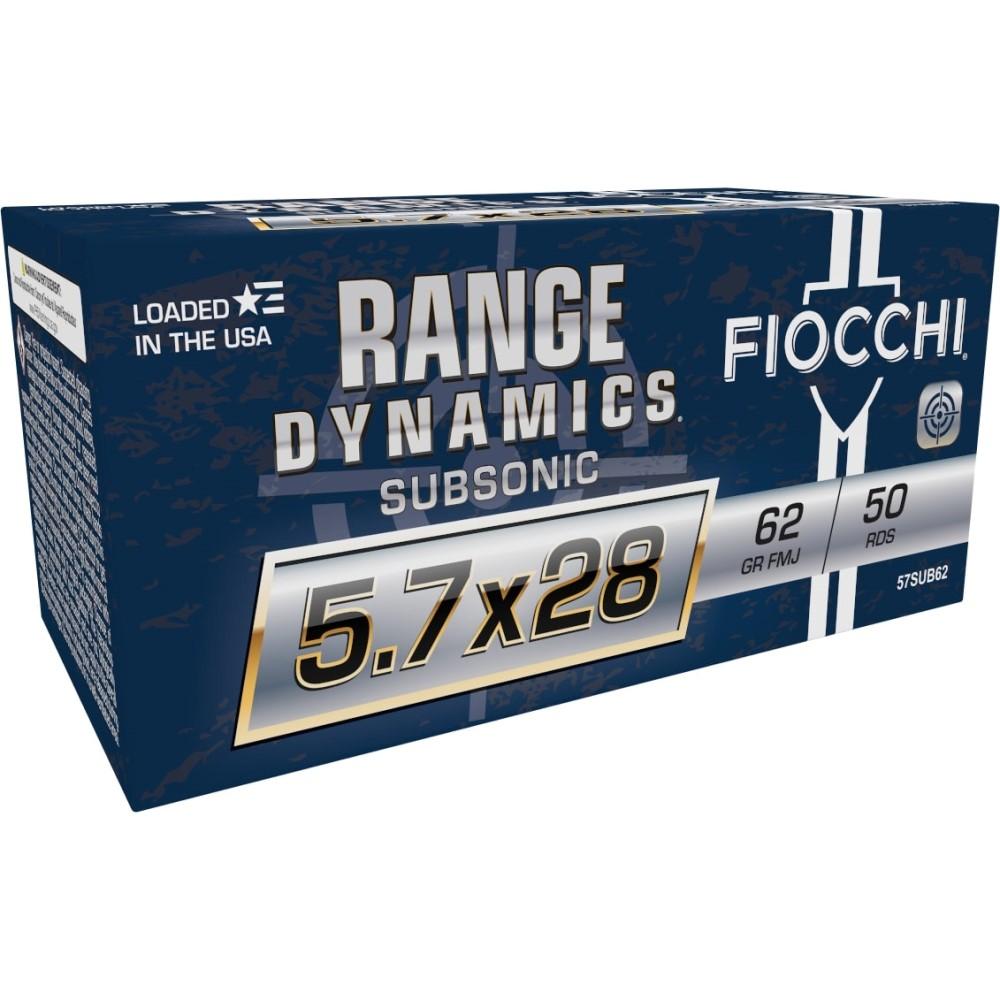 Fiocchi Range Dynamics Subsonic Handgun Ammunition 5.7x28 FN 62gr FMJ 1050 fps 50/ct
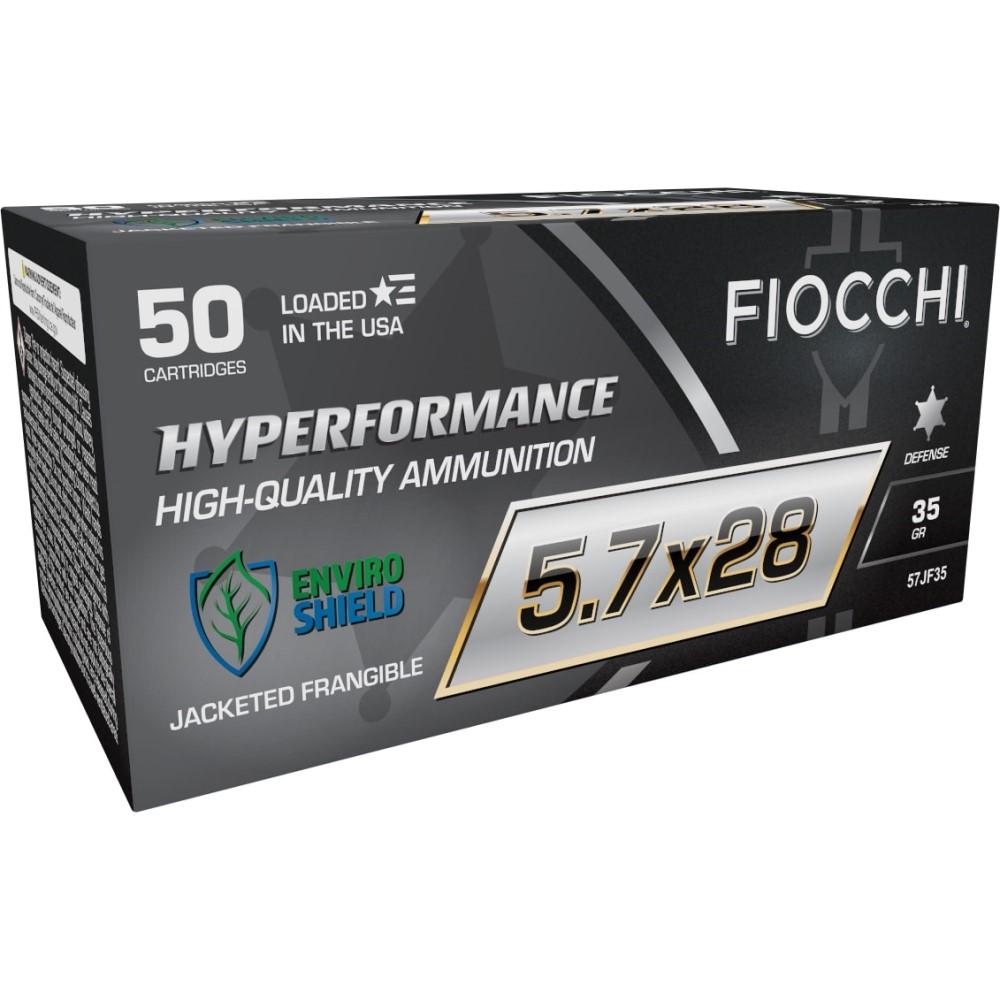 Fiocchi Hyperformance Defense Handgun Ammunition 5.7x28 FN 35gr FG 1750 fps 50/ct
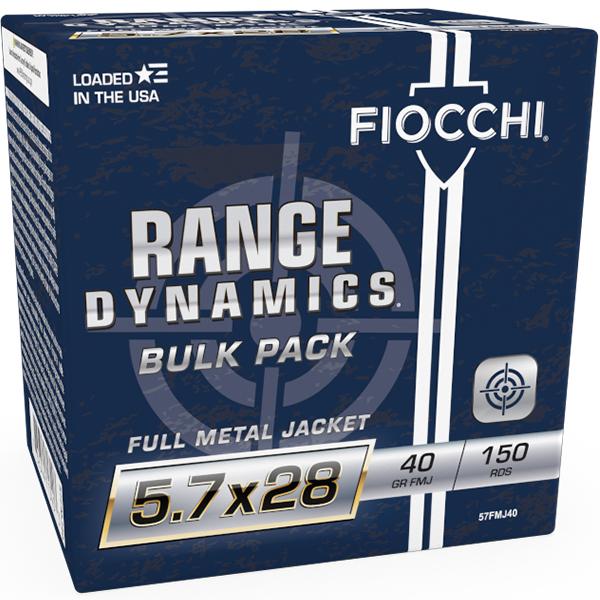 Fiocchi Range Dynamics Handgun Ammunition 5.7x28 FN 40gr FMJ 1700 fps 150/ct
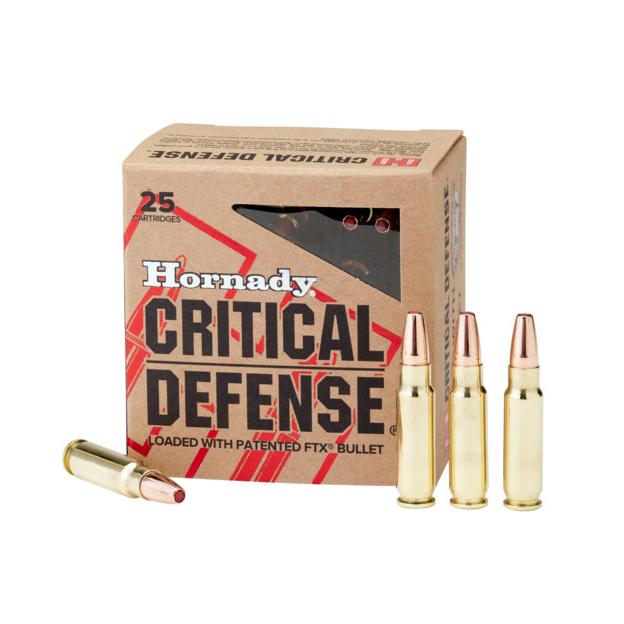 Hornady Critical Defense Ammunition 5.7x28 FN 40gr FTX 25/ct
Roundups are only useful if they help you decide what to buy, what to train with, and what to skip. The common thread across this week’s guns and gear is practical performance: controllability under stress, durability across high round counts, and the boring details that make ownership easier like parts support, magazine availability, and how the thing carries, stores, and gets maintained.
.380 Defense Pistols: When Easy-to-Shoot Beats “More Power”
The Ruger Security-380 hits a real need: people who want a defensive handgun that they can rack, control, and shoot well enough to train consistently. For many shooters, especially those with reduced hand strength or less tolerance for recoil, the best caliber is the one that keeps them practicing. .380 ACP sits in that lane.
When you evaluate a .380 for concealed carry, think in terms of a system, not a cartridge.
- Reliability with defensive ammo: Confirm it runs your chosen hollow point through at least a few hundred rounds without drama. Many .380s can be ammo sensitive due to short slide travel and spring rates.
- Feed geometry and magazine quality: In compact pistols, magazine springs and feed lips do a lot of the reliability work. Buy extra factory mags early and mark them so you can track problems.
- Recoil management: Softer shooting matters when you are trying to keep your dot or front sight on track for fast follow-up shots. That is a training benefit, not comfort.
- Ease of manipulation: “Easy rack” is only meaningful if you can lock the slide to the rear, clear a malfunction, and do a one-handed rack on a belt or holster if you have to.
Field reality checklist: Can you clear a stovepipe with your support hand? Can you drop the mag and strip it if it sticks? Can you load it without fighting the springs? Those answers determine whether a manageable pistol stays in rotation or ends up in the safe.
Seven-Shot .357 Revolvers: The 686 Plus as a Long-Term Tool
The Smith & Wesson 686 Plus represents why L-frame revolvers keep a loyal following: they hold up, they digest a wide range of ammunition, and they stay shootable when maintenance is minimal. The seven-shot cylinder adds capacity without abandoning the classic .357 Magnum use case.
Revolvers reward buyers who understand the maintenance and inspection points that semi-auto owners rarely think about.
- Timing and lockup: A revolver can feel fine in the hand and still be out of time. Learn what proper cylinder lockup feels like and check it periodically, especially if you shoot heavy magnums.
- Endshake and forcing cone wear: High-pressure loads and a lot of fast double-action work can accelerate wear. Keep the gun clean around the yoke and crane, and do not ignore spitting lead or unusual erosion.
- Holster and carry realities: L-frames carry well with the right belt and holster, but weight and cylinder width matter. If it rides in the woods, prioritize retention, sweat resistance, and coverage at the muzzle.
- Ammunition strategy: For most owners, .38 Special for training plus a proven .357 defensive load or outdoors load is the sustainable path. You get reps without beating up your hands or gun.
Who it fits: A shooter who wants a durable handgun for range time, home defense, and trail carry, and who values mechanical longevity over maximum on-body concealment.
Hi-Power Pattern Pistols: SA-35 Ownership is About Parts, Mags, and Training
The Springfield Armory SA-35 taps into the appeal of the Browning Hi-Power: classic ergonomics, a slim grip profile, and a proven 9mm format. Modern production can bring better sights, finish, and practical tweaks, but the buyer still needs to think like a Hi-Power owner, not like a polymer striker owner.
Decision points that matter more than polish:
- Magazine compatibility: The Hi-Power ecosystem includes excellent mags and also plenty of mediocre ones. Plan to buy proven magazines and keep training mags separate from carry mags.
- Trigger and controls under stress: Classic designs can have smaller controls than modern duty pistols. Run basic manipulations with gloves and in low light to see what you actually can do.
- Spare parts and service: Know where you will source springs, extractors, and small pins. Long-term ownership is easier when your platform has stable parts support.
- Holster fit: Confirm holster availability before you buy if carry is the goal. Minor dimensional differences can matter with tight Kydex.
Training note: A classic pistol shines when you shoot it often. If you are buying it as a “special occasion” gun, treat it like a collector piece. If it is a defensive tool, put it on the clock at the range and validate your reloads, malfunction drills, and accuracy at speed.
Folding PDW Carbines in 5.7×28: Where They Work and Where They Don’t
A folding pistol-caliber style carbine chambered in 5.7×28 offers a very specific mix: light weight, compact storage, low recoil, and flat shooting. That can be useful for a travel gun, a property gun, or a compact home-defense option for shooters who benefit from a stocked platform. The Smith & Wesson FPC in 5.7×28 sits in that lane.
Before you treat 5.7 as a universal answer, evaluate it like a practical buyer.
- Ammo cost and availability: You train with what you can buy. If your local supply fluctuates, keep a baseline stock and confirm your defensive load is still on shelves.
- Terminal performance and expectations: Choose proven loads and understand what performance looks like out of your barrel length. Do not assume rifle-like outcomes from a compact platform.
- Magazine ecosystem: PDWs live or die by magazines. Price out a realistic loadout including spares, and confirm you can get replacements.
- Storage and deployment: Folding is only useful if you can deploy it safely and quickly without snagging on straps or cases. Practice the actual steps from your chosen storage method.
Compliance reminder: Folding carbines can trigger different legal treatment depending on configuration, muzzle devices, overall length, and magazine restrictions. Check state and local laws before you set up a travel kit.
Budget AKs: What “Good Enough” Really Means Over 5,000 Rounds
The PSA AK-47 GF3 discussion reflects a common buyer goal: an entry-level AK that runs and holds up. “Budget” in the AK world can still be a serious rifle if the fundamentals are right, especially forged trunnions and a build that stays in spec.
When you compare budget AKs, use a durability-first framework.
- Core build quality: Look for consistent rivet work, straight sights and gas block alignment, and a smooth action that does not feel like it is grinding.
- Headspace and bolt fit: These are safety and longevity issues. If you are not equipped to check, buy from a seller with strong support and a clear return process.
- Heat and sustained fire: AKs get judged on reliability when hot. If your use includes classes or high-volume range days, confirm the handguards, sling points, and optic mount stay tight when everything heats up.
- Magazine fit: AK mag fit varies. Test multiple mag types and identify what locks up reliably in your rifle. Mark the mags that wobble excessively or fail to feed.
- Corrosion management: If you shoot corrosive ammo or hunt in wet conditions, cleaning discipline matters. Flush, dry, and oil the gas system and bore promptly.
Ownership lifecycle tip: Budget rifles become expensive when you chase problems with random parts. Set a baseline: quality mags, a reliable optic mount, a sling you trust, and a small spares kit with springs and pins if your platform supports it.
Weapon Lights for Defensive Pistols: Output Numbers Are Only the Start
The HiLight Tactical P4X review highlights the continuing trend: more light for less money. Specs like 1,100 lumens and high candela get attention, but a pistol light earns its spot through repeatable performance under recoil, usable switches, and battery management that matches your habits.
Use this evaluation checklist when you consider a budget weapon light:
- Switch ergonomics: Can you activate momentary and constant-on with a solid firing grip, under stress, with cold hands? This matters more than raw lumen count.
- Beam pattern and candela: Candela drives reach and photonic barrier performance. Indoors, too much spill can wash out your sights and bounce off white walls.
- Mount security: Verify the light stays tight after multiple range sessions. Recoil loosens hardware that was “fine” on day one.
- Holster compatibility: A weapon light can complicate concealment and require a dedicated holster. Confirm availability before you commit to the light as part of a carry setup.
- Battery type and discipline: Choose a battery you can source locally. Set a replacement schedule based on your training and storage temperature.
Safety and compliance: A weapon light supports threat identification. It does not replace muzzle discipline. Build low-light reps that include handheld light skills, not only weapon-mounted use.
A “Tool Bag” as a Range Bag: Practical, Discreet, and Easier to Organize
Using a CLC 25-pocket tool bag as a range bag resonates because it solves real problems: organization, durability, and discretion. Tool bags are designed for hard use, heavy loads, and constant in-and-out of trucks. They also look normal in public, which can reduce unwanted attention during transport.
What to look for if you want a tool bag that actually works for range days:
- Structure and stitching: Reinforced bottoms and strong handles matter when the bag gets loaded with ammo. Check bar-tacks and handle attachment points.
- Pocket layout: A lot of pockets only help if you can standardize where things live. Assign pockets for ear pro, eye pro, lube, tools, batteries, medical gear, and magazines.
- Zip quality: Zippers fail at the worst time. Look for robust pulls and smooth action that will not bind when dusty.
- Dust and debris management: Range bags collect sand, unburnt powder, and brass shavings. Choose a bag you can vacuum out and wipe down quickly.
- Transport and compliance: Discreet bags still need lawful transport practices. Keep firearms unloaded, use appropriate cases where required, and separate ammo if your jurisdiction demands it.
Range bag baseline loadout: eye and ear protection, shot timer if you train seriously, spare batteries, a compact cleaning kit, a multitool, a small torque driver if you run optics, targets, tape or pasters, and a basic trauma kit. The bag should support your training plan, not just carry stuff.
How to Choose From This Week’s Picks
If you want a simple decision framework, sort by the problem you are solving and the training you will actually do.
- Concealed carry and recoil sensitivity: A soft-shooting .380 you can run well beats a harder caliber you avoid practicing with.
- Durable all-purpose handgun: A proven .357 revolver remains a dependable choice for the range, home, and trail.
- Classic 9mm with heritage: Hi-Power pattern pistols reward owners who plan for magazines, parts, and regular training.
- Compact long gun storage: A folding 5.7 carbine can make sense if you can afford the ammo and validate reliability.
- Rifle value with a learning curve: Budget AKs can be smart buys when you prioritize core build quality, magazine testing, and realistic maintenance.
- Low-light readiness: A pistol light is a capability add if it stays mounted, stays working, and fits your holster and training.
- Organization and discretion: A tool bag style range bag can improve how you train because it reduces friction and keeps gear sorted.
FAQ
Yes, if you can shoot it accurately and reliably with your chosen defensive ammunition. For many shooters, a manageable .380 with consistent practice delivers better real-world performance than a higher-recoiling pistol that discourages training. Validate reliability with at least a few hundred rounds, including your carry load, and carry spare magazines.
Check cylinder lockup, timing, and endshake, and inspect the forcing cone area for wear. Confirm the gun has a smooth double-action pull and that the cylinder gap looks consistent. Plan on .38 Special for most training and reserve .357 Magnum for limited practice and defensive or outdoors use to manage wear and recoil.
They can be, if you verify magazine quality and run a reliability test with your preferred 9mm defensive load. Hi-Power pattern pistols benefit from proven magazines, fresh springs, and regular lubrication. Confirm holster compatibility and practice manipulations since controls can differ from modern duty pistols.
It can be practical when you prioritize low recoil, flat shooting, and compact storage. The main tradeoffs are ammunition cost and local availability, plus the need to choose proven loads and confirm reliability. For many owners, the best approach is to stock training ammo early and keep a dedicated supply of your defensive load.
Value comes from core build quality and staying in spec over time. Look for solid rivet work, straight component alignment, reliable function with multiple magazine types, and consistent accuracy for the platform. Buy quality magazines, verify headspace through a reputable seller or gunsmith support, and maintain the rifle properly if you shoot in wet or dusty conditions.
Prioritize switch ergonomics, mount security under recoil, beam pattern that works indoors, and holster compatibility. Output specs matter, but real reliability is proven through live-fire testing and consistent battery management. If you carry, confirm a safe, well-fitted light-bearing holster exists for your exact pistol and light combination.
Yes, especially if you want a durable, discreet option with strong organization. Look for reinforced handles, a rigid bottom, quality zippers, and a pocket layout you can standardize for magazines, tools, batteries, and medical gear. Keep lawful transport practices in mind and store firearms unloaded and secured according to local requirements.
Was this useful?