
Brief
Bond Arms Derringers Turned Up: Real-World Takeaways on the Cyclops .45-70 and America .45 Colt/.410
A practical look at Bond Arms big-bore derringers, including the Cyclops .45-70 and America .45 Colt/.410. Recoil, ammo choice, safety, storage, and real use.
Shop this at BLVista
Bond Arms built its name on modern derringers that lean into strength, simple operation, and unusually broad caliber support. That matters because a derringer format has hard limits, but it also has a clear advantage: a compact, mechanically simple platform that can be set up around specific use cases. The two examples here show the range of what Bond Arms is willing to build: the Cyclops in .45-70 and the America 250th in .45 Colt/.410.
What these Bond Arms models are, and what they are not
A Bond Arms derringer is best understood as a short-range, two-shot tool built for durability and contact-distance practicality. It is not a replacement for a carry pistol, a trail revolver, or a dedicated hunting handgun. The grip geometry, short barrel, and limited capacity put it in a different category.
Where it does make sense is when you value:
- Mechanical simplicity for long-term storage and occasional use
- Rugged build and the ability to tolerate hard knocks in a truck, pack, or tackle box (stored safely and legally)
- Specific ammunition flexibility in models that accept both .45 Colt and .410
Build, finish, and why it matters over years
On these guns, fit and finish is not a vanity detail. Tight lockup, clean machining, and consistent latch function show up as predictable ignition and repeatable point of aim when you run heavy loads. The Cyclops is natural stainless, which generally holds up well to sweat, rain, and the kind of handling that happens around a farm or campsite. The America 250th uses Cerakote, which can be a solid choice for corrosion resistance if it is applied correctly and you keep wear points clean.
Extended grips are more than comfort. On big-bore derringers, grip length changes how the gun rotates under recoil and how well you can manage the trigger press. If you already know you have hand strength limitations or arthritis, prioritize the grip that gives you full purchase and keeps your trigger finger placement consistent.
Controls and handling: simple does not mean automatic
Bond Arms keeps the manual of arms straightforward:
- Move the latch lever down and open the barrel assembly.
- Load one or both chambers depending on the model.
- Close the barrels and use the crossbolt safety if you choose to stage the gun.
- Align sights and press the trigger.
The details that matter are the trigger technique and your ability to run the latch under stress. Some Bond Arms manuals specify a trigger press that is more of a back-and-down motion using the pad of the finger. Treat that as a training requirement, not a footnote. If you press it like a striker pistol and you get inconsistent breaks, your hits will open up fast with a short sight radius.
Two-barrel models also require you to understand barrel selection. If you intend to load mixed ammunition, for example .410 first and .45 Colt second, confirm how the selector works and verify it during dry practice with dummy rounds. “I thought it would fire the other barrel first” is not an acceptable surprise in a defensive or pest-control context.
Safety systems and storage reality
These guns typically include a crossbolt safety. Some configurations also incorporate an internal locking device that can render the gun inoperable when engaged. Whether you use that feature depends on your household, storage method, and the role of the gun.
For real-world ownership, focus on three practical questions:
- Who can access it? If unauthorized access is possible, you need a locked container or a lock engaged, not just “put up high.”
- How quickly do you need it? A staged tool for varmints around outbuildings is different from a bedside firearm.
- What does your state require? Transport and storage laws vary. Know your local compliance requirements before you treat any firearm as a glovebox or backpack option.
Range performance: what to expect from .45 Colt/.410
A .45 Colt/.410 derringer is built around close-range work. Think inside a room, inside a barn aisle, or across a few yards of yard line. That said, you can still learn a lot with a target at 5 to 7 yards and some simple drills.
.410 shot shells: patterning beats guessing
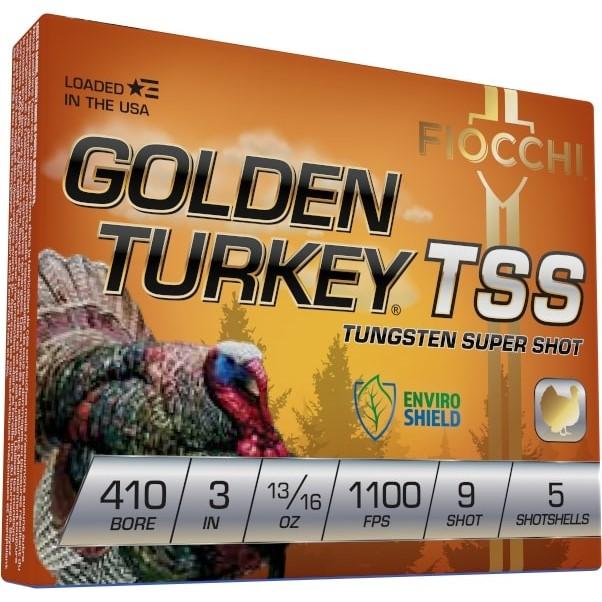
If you plan to use .410 shells for pest control, you need to pattern your chosen load at realistic distances. Shot size, payload, and velocity all change what your pattern looks like. At close distances, some derringer barrels can keep patterns tighter than you might expect compared to certain rifled handgun platforms that tend to spin and disperse the shot column. The only reliable answer is to shoot paper and measure your pattern.
Practical patterning checklist:
- Pattern at 3, 5, 7, and 10 yards.
- Count pellet hits in an 8-inch circle and note any fliers.
- Confirm point of impact relative to your sights.
- Repeat with the exact ammo lot you plan to store if possible.
.45 Colt: realistic accuracy and usable distance
With .45 Colt, the gun can be more capable than people assume. You are still working with a short barrel and a short sight radius, so your accuracy ceiling is lower than a service pistol or revolver. In practical terms, consistent hits on small steel at intermediate distances can be achievable with a steady hold, correct trigger technique, and ammo that shoots to the sights. If you want to rely on .45 Colt for defense or dispatch work, confirm reliability and point of aim with the specific load you will stock.
The Cyclops in .45-70: why “it fires” is not the whole story
A .45-70 derringer is a specialty item. Recoil is substantial and muzzle blast is part of the package. For most owners, the value is novelty, engineering curiosity, and occasional use rather than daily utility.
If you still want one, treat ammunition selection as the whole decision. Load intensity matters more in this platform than in a rifle. Consider whether reduced-recoil loads exist from reputable manufacturers and whether you can tolerate them for a full practice session. If you cannot practice with it, it becomes a conversation piece rather than a tool.
Where these derringers make sense: realistic use cases
1) Property and outbuilding pest control
A .45 Colt/.410 derringer can fit a “close-range pests around the coop” role when you are working inside short distances and want a compact firearm that is simple to operate. This is also where you should think about safe staging: how it is stored, who can access it, and whether you can keep ammunition separate when appropriate.
2) Trail and camp as a niche option
For hiking or camping, a derringer format trades capacity and shootability for compactness. That trade only makes sense if your local laws allow the carry method you intend, and if you can shoot it well enough to place hits quickly. A small gun that is hard to control does not solve problems. It changes them.
3) Truck or tackle-box gun considerations
Many people talk about a “truck gun,” but compliance and theft risk are the real constraints. If you store a firearm in a vehicle, you need a secure lockbox and you need to understand your state’s transport rules. From a durability standpoint, stainless and quality coatings help, but they do not replace regular inspection, rust prevention, and function checks.
Buying framework: deciding if a Bond Arms derringer belongs in your rotation
- Role clarity: Is this for range novelty, close-range pests, or emergency defense as a last-ditch tool?
- Control: Can you run the latch, safety, and trigger consistently with cold hands or limited grip strength?
- Ammo plan: Do you have a specific load selected and tested, including patterning for .410?
- Maintenance plan: Will you clean it after exposure to rain, dust, sweat, or animal dander?
- Compliance and storage: Can you store and transport it legally and securely in your real life?
Maintenance and ownership lifecycle
Short-barrel firearms tend to run dirty with certain loads. Add .410 shells and you have more residue variables. Keep a basic maintenance kit on hand and build a simple routine:
- Wipe down exterior metal after handling to reduce corrosion risk.
- Clean chambers and bore after each range session, especially when mixing shell types.
- Inspect latch surfaces and hinge area for grit and wear.
- Function check barrel selection and safety operation after reassembly.
Also think about spare parts and support. Bond Arms has a long track record in this niche. That matters if you plan to keep the gun for decades rather than treat it as a short-term curiosity.
Bottom line
Bond Arms derringers like the America .45 Colt/.410 and the Cyclops .45-70 are purpose-driven firearms with real strengths and real limits. They can be well-built, durable, and surprisingly capable at close range when you commit to learning the trigger and validating your ammunition. If your goal is a compact, rugged, 2A-friendly tool for a specific scenario, they can make sense. If your goal is a general-purpose defensive handgun, the format asks for too many compromises.
FAQ
It can function as a close-range defensive tool, but it is a specialized choice. Capacity is limited, reloads are slow, and shootability depends on grip strength and trigger technique. Validate reliability and point of aim with your chosen defensive load and store it securely in compliance with local law.
Effectiveness depends on pattern density at realistic distances. Pattern your chosen .410 load at 3 to 10 yards on paper and confirm pellet strikes in an 8-inch circle. Adjust load choice or maximum distance based on pattern results.
Many .45 Colt/.410 models support mixed loading, but you must confirm chambering, barrel selection order, and reliable ignition with your specific ammunition. Practice barrel selection with inert training rounds before relying on mixed loads.
For most owners it is primarily a novelty and a specialty range gun due to heavy recoil, blast, and limited shootability. If you buy one, plan around manageable loads and realistic practice.
Start with legal compliance and secure storage, including a lockbox for vehicle carry. Then prioritize corrosion resistance, grip fit, and your ability to run the latch and trigger under stress. Choose one load and test reliability and point of impact.
Clean chambers and bore after shooting, especially after .410 shells. Keep latch and hinge areas free of grit, wipe exterior metal to reduce corrosion, and function check safety and barrel selection after cleaning. Store dry and avoid moisture-trapping cases.
Was this useful?