
Brief
Best .380 ACP Pistols for Concealed Carry and Practical Ownership
Compare practical .380 ACP pistols for concealed carry, deep concealment, easy racking, recoil control, reliability, maintenance, and long term ownership.
Shop this at BLVista
Best .380 ACP Pistols for Concealed Carry and Practical Ownership
The .380 ACP pistol fills a specific role. It gives shooters a smaller, lighter, lower recoil handgun option for concealed carry, backup carry, and range training. The cartridge has limits, and those limits matter. At the same time, many people carry a .380 because it fits their body, wardrobe, hand strength, or training schedule better than a larger pistol.
A good .380 ACP handgun should be judged by more than size. Pocket carry convenience means little if the sights are poor, the trigger is hard to manage, the magazine is unreliable, or the gun is unpleasant to practice with. For defensive use, the pistol has to run with quality ammunition, carry safely in a proper holster, and remain controllable under stress.
This guide looks at the leading .380 ACP pistols through a practical ownership lens. That includes concealed carry comfort, recoil behavior, maintenance, holster availability, magazine support, training value, durability, and compliance considerations. If you are comparing current models, you can also browse 380 ACP pistol options at BLVista to narrow the search by use case.
Is .380 ACP Enough for Concealed Carry?
The .380 ACP is a defensive handgun cartridge with a shorter case, lighter bullets, and less energy than 9mm Luger. That tradeoff brings smaller pistols and softer slide operation in some designs. It also requires the owner to be realistic about ammunition choice and shot placement.
For concealed carry, .380 ACP makes sense when the shooter can place accurate hits quickly and will actually carry the firearm consistently. A compact 9mm left at home has no practical value. A .380 carried in a quality holster, loaded with reliable defensive ammunition, and supported by regular practice can serve a serious personal defense role.
The key is avoiding fantasy use cases. .380 ACP performs best at close defensive distances. It benefits from modern jacketed hollow point or controlled expansion ammunition that feeds reliably in your pistol. Every carry gun should be tested with the exact load you intend to carry. A minimum personal standard should include several magazines of your chosen defensive load without failures, plus enough range ammunition to confirm recoil control, reloads, and one handed operation.
How to Choose a .380 ACP Pistol
Start with the mission. A deep concealment pistol, a range trainer, a backup gun, and an easy to rack home defense pistol are different tools.
- Carry method: Pocket carry demands a short grip, snag resistant profile, and a holster that covers the trigger guard completely. Inside the waistband carry allows a slightly larger pistol with better sights and control.
- Hand fit: Tiny grips conceal well, but they can punish large hands and reduce recoil control. Try to confirm trigger reach, magazine release access, and slide stop access before committing.
- Slide operation: Shooters with arthritis, nerve damage, or limited hand strength should prioritize easy slide manipulation and easy magazine loading over maximum capacity.
- Recoil management: Very light .380 pistols can feel sharper than expected. More weight and more grip surface usually make range practice more productive.
- Holster and magazine support: A carry pistol needs quality holsters, spare magazines, sight options, and replacement parts. Ownership gets expensive when support is thin.
- Maintenance needs: Pocket pistols collect lint, sweat, dust, and grit. Simple takedown and regular inspection matter when the gun rides close to the body daily.
- Compliance: Confirm state and local laws on carry permits, magazine capacity, transport, storage, and ammunition type. Legal ownership changes by jurisdiction.
Best Overall .380 ACP: Sig Sauer P365-380
The Sig Sauer P365-380 is one of the most complete modern .380 ACP carry pistols because it brings the size efficiency of the P365 platform into a softer shooting caliber. It offers a 10 round magazine, usable sights, a slim profile, and strong aftermarket support. For many owners, that support is the difference between buying a pistol and building a carry system.
The P365-380 makes sense for people who want a compact defensive gun that still feels like a serious pistol on the range. The grip gives most shooters enough surface to control recoil without making concealment difficult. Its optics ready configuration also matters for shooters who train with pistol red dots or want a consistent sighting system across multiple carry guns.
The main consideration is control placement. Some shooters may ride the slide stop with a high thumb grip, which can affect last round lockback. That is easy to diagnose during range work. Run reload drills and confirm whether the slide locks open consistently with your grip.
Best Lightweight Concealed Carry .380: Ruger LCP Max
The Ruger LCP Max is built for people who need a pistol that disappears under light clothing. It is extremely light, compact, and easy to carry during hot weather, travel within lawful boundaries, or active outdoor days when a larger pistol becomes difficult to conceal.
The LCP Max also brings better capacity than older pocket .380 pistols. That matters because small guns are slower to reload, and spare magazines can be harder to manage under stress. A 10 round magazine in a pistol this small is a meaningful advantage.
The tradeoff is recoil. Low weight and minimal grip area create a sharper shooting experience. This is a carry gun first and a high volume range pistol second. Owners should practice in short, focused sessions. Work on draw stroke, first shot accuracy, controlled pairs, and reloads rather than trying to shoot hundreds of rounds in one sitting.
Ammunition testing is especially important in lightweight pocket pistols. Some small .380s can be selective with case material, bullet shape, or lower powered loads. Choose reliable brass cased practice ammunition and confirm your defensive load before carry.
Best Easy To Rack .380: Smith & Wesson M&P380 Shield EZ
The Smith & Wesson M&P380 Shield EZ is one of the most practical choices for shooters who struggle with slide manipulation or magazine loading. This matters for older shooters, new handgun owners, and anyone dealing with arthritis, hand injuries, or reduced grip strength.
The Shield EZ is larger than most pocket pistols, and that size works in its favor. It is easier to rack, easier to load, easier to grip, and softer shooting than many micro .380s. The pistol is well suited for belt carry, nightstand storage where lawful and secure, and range training for people who want a lower effort handgun.
The lower capacity compared with some newer micro compacts should be weighed against its handling benefits. A pistol the owner can operate confidently has more practical value than a smaller pistol that creates hesitation during loading, malfunction clearance, or live fire practice.
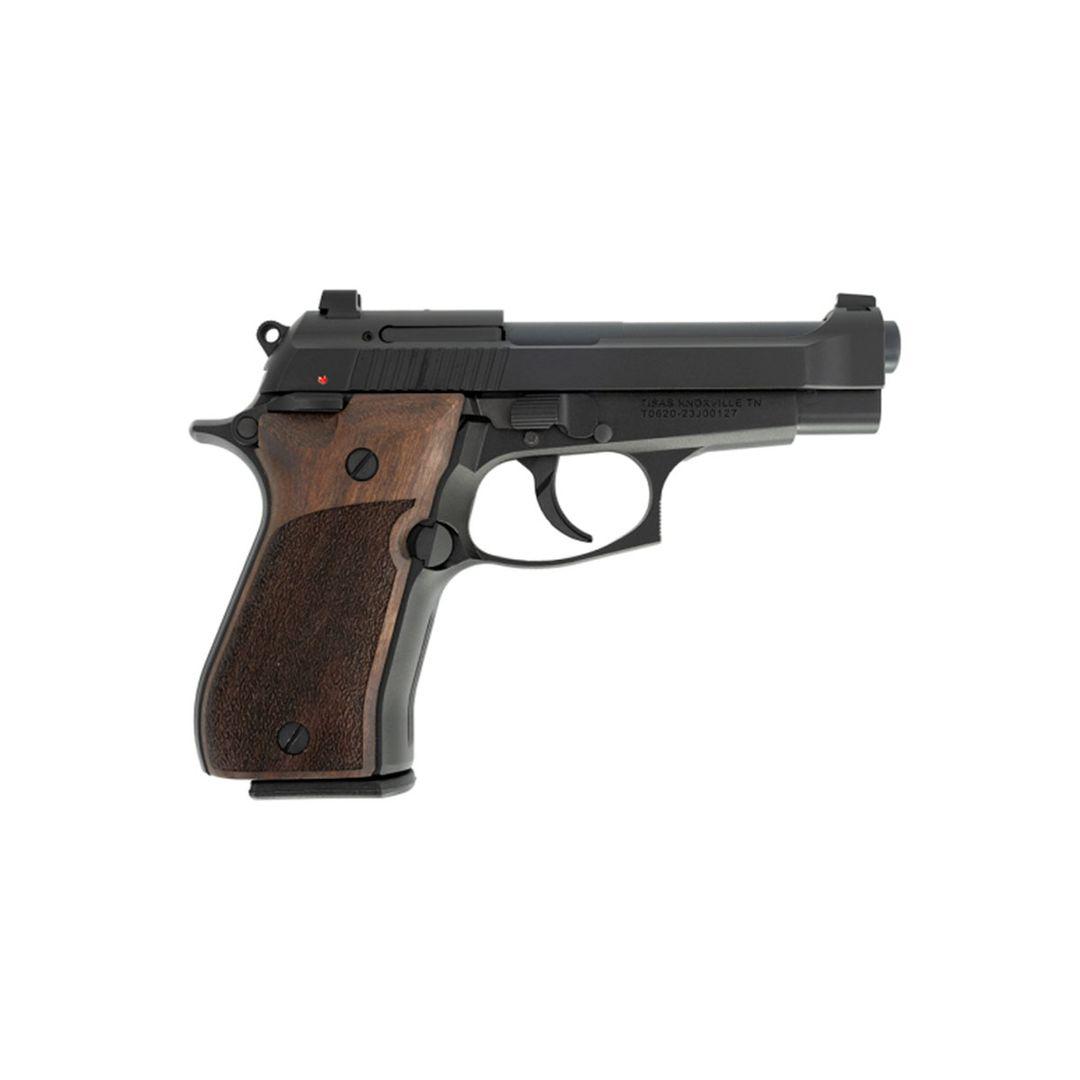
Best Premium .380 ACP: Beretta 80X Cheetah
The Beretta 80X Cheetah is the choice for shooters who want a larger, more refined .380 ACP pistol. It has enough weight to tame recoil, a grip that supports better control, and modern features that make it appealing as both a carry gun and a range pistol.
The larger frame gives it better shootability than most pocket pistols. That advantage shows up during longer practice sessions, accuracy work at 15 to 25 yards, and drills that require fast follow up shots. Shooters with larger hands may find it much easier to control than smaller .380 designs.
The downsides are size, weight, and cost. It will not carry like an ultralight pocket gun. It also requires a more deliberate holster choice and belt setup. For the right owner, those tradeoffs buy better range performance and more enjoyable training.
Best Single Action .380: Sig Sauer P238
The Sig Sauer P238 appeals to shooters who like a compact, metal framed, single action pistol. Its added weight helps soften recoil compared with very light polymer pocket guns, and its small size makes it a practical backup or warm weather carry option.
The manual of arms is the deciding factor. Single action carry requires training with the safety, consistent holster discipline, and confidence in administrative handling. It suits experienced shooters who already understand thumb safety operation and are willing to maintain that skill.
Capacity is modest, and takedown requires attention. Buyers who want the easiest maintenance routine or the highest round count for the size may prefer a newer design. Buyers who value shootability in a small metal pistol may find the P238 a strong fit.
Best Beginner Friendly Micro .380: Smith & Wesson Bodyguard 2.0
The Smith & Wesson Bodyguard 2.0 improves the small defensive .380 concept with a better trigger, a compact footprint, and useful magazine capacity for its size. It is aimed at buyers who want deep concealment without dealing with the rougher handling of many older pocket pistols.
Small guns still require discipline. A light pistol with a short grip can be harder to shoot well than a larger handgun. New owners should budget for range time, extra magazines, and a holster that keeps the gun stable during daily movement. The Bodyguard 2.0 works best when treated as a serious carry tool rather than a casual pocket item.
Best .380 for Glock Owners: Glock 42
The Glock 42 remains relevant because it follows a familiar operating system. Glock owners who already train with striker fired pistols may appreciate the consistent grip angle, control layout, takedown process, and aftermarket support.
Its capacity is lower than several newer .380 pistols, and the factory sights are basic. The benefit is reliability, parts availability, holster support, and a known maintenance routine. For people who prioritize a simple carry gun with broad support, the Glock 42 still deserves attention.
Ownership Lifecycle: What Buyers Often Miss
The pistol is only one part of the system. A practical .380 ACP carry setup includes a quality holster, spare magazines, carry ammunition, practice ammunition, cleaning supplies, and safe storage. If you plan to pocket carry, use a pocket holster that keeps the gun upright and fully covers the trigger guard. Keys, knives, coins, and loose items do not belong in the same pocket as a firearm.
Maintenance should be more frequent with pocket pistols than with range only handguns. Check for lint around the muzzle, extractor, sights, magazine release, and trigger guard. Wipe down sweat exposed metal surfaces. Inspect magazines for debris and weak springs. Small pistols rely on correct spring tension and clean magazines to maintain reliability.
Training should include more than slow fire at seven yards. Practice drawing from your actual concealment method where lawful and range permitted. Work on first shot accuracy, recoil recovery, reloads, support hand only shooting, and malfunction clearance. If the pistol is difficult to control during these drills, choose a larger model or change the carry method.
A Simple Decision Framework
Choose the Sig Sauer P365-380 if you want the most complete modern carry package with strong accessory support. Choose the Ruger LCP Max if deep concealment and low carry weight matter most. Choose the Smith & Wesson M&P380 Shield EZ if slide operation and hand comfort are top priorities. Choose the Beretta 80X Cheetah if shootability and range performance outweigh pocket size. Choose the Sig Sauer P238 if you prefer a small metal single action pistol and will train with the safety. Choose the Bodyguard 2.0 if you want a modern micro .380 with improved handling. Choose the Glock 42 if you already trust Glock ergonomics and want broad aftermarket support.
For lawful concealed carry, the right .380 ACP pistol is the one you can carry securely, shoot accurately, maintain properly, and support with the right gear. BLVista helps buyers reduce purchase risk by focusing on real use, compatibility, and long term ownership rather than spec sheet comparisons alone. For related gear, start with the BLVista shop.
FAQ
The Sig Sauer P365-380 is a strong all around choice because it balances capacity, size, sights, optics readiness, and aftermarket support. The Ruger LCP Max is better for deep concealment when minimum weight is the priority.
.380 ACP can be a practical self defense cartridge when paired with reliable defensive ammunition and accurate shot placement. It has less energy than 9mm, so training, ammunition testing, and realistic engagement distances matter.
The Smith & Wesson M&P380 Shield EZ is one of the easiest .380 pistols to rack and load. It is a strong option for shooters with arthritis, reduced hand strength, or limited experience with semi automatic handguns.
Very small .380 pistols can feel snappy because they have less weight and less grip surface. Shooters who are recoil sensitive should consider a slightly larger pistol such as the Shield EZ, P365-380, or Beretta 80X Cheetah.
Many .380 ACP pistols are suitable for pocket carry, including models like the Ruger LCP Max and Sig Sauer P238. Always use a dedicated pocket holster that covers the trigger guard, keeps the pistol oriented correctly, and separates it from other objects.
A carried .380 pistol should be inspected often, especially if it rides in a pocket or against the body. Remove lint, check magazines, wipe down sweat exposed surfaces, and follow the manufacturer maintenance schedule for recoil spring and parts replacement.
Was this useful?