
Brief
Zeiss Conquest Apia 65 Spotting Scope: The Practical Case for a Midsize 20-50x Optic
Field-focused review of the Zeiss Conquest Apia 65 spotting scope. Learn how glass quality, coatings, ARCA mounting, and tripod choice affect hunting and...
Shop this at BLVista
Start here
Rifle and Field Optics Guide
Read the guideUse this guide to unify your rifle and field optics content so buyers find one durable page for setup tradeoffs instead of disconnected reviews.
Use the evergreen guide first, then come back to this article for the narrower case or product angle.
Spotting scopes tend to get bought the same way people shop horsepower: more magnification, bigger objective, bigger price tag. Then the reality hits on a long walk to a glassing knob or a day on a public range when you have to haul the tripod, the scope, and everything else. A midsize spotting scope is supposed to solve that problem without turning into an eye-strain compromise.
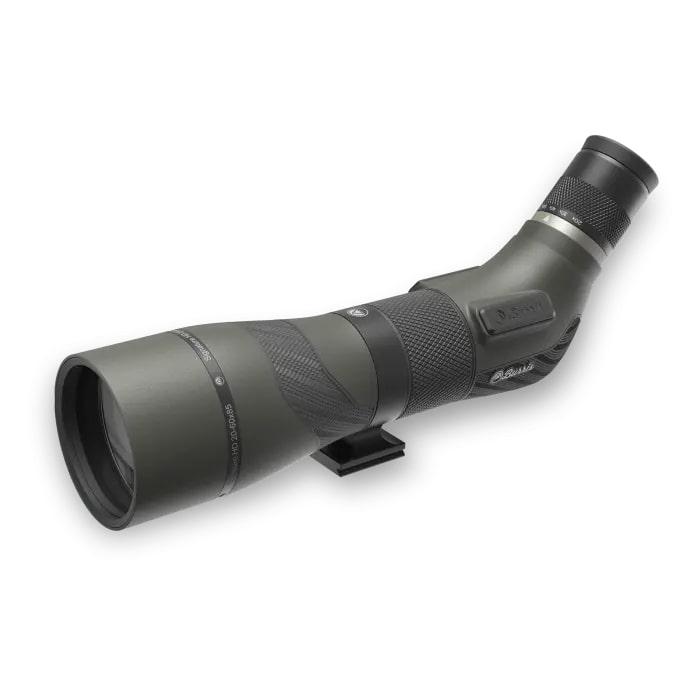
The Zeiss Conquest Apia 65 is built around that midsize idea. It aims at hunters and shooters who want enough magnification for real work, strong optical performance in mixed light, and a form factor that fits a pack and a reasonable tripod. Here is how it pencils out in practical use, and what to think about before you spend $1,500 on any spotting scope.
Zeiss Conquest Apia 65: key specs that drive real-world performance
- Magnification: 20-50x zoom
- Objective: 65 mm
- Field of view: 144’ to 81’ at 1,000 yards
- Mounting: ARCA and 1/4-20 compatible base
- Length: 11.7 inches
- Weight: 48 oz
- Country of origin: China
- MSRP: $1,499.99
Those numbers matter because they describe the trade space you actually feel: image brightness and resolution versus portability, and how stable the view stays at higher power with the tripod you are willing to carry.
Why 65 mm and 20-50x is a smart middle for hunters and many shooters
A 65 mm objective paired with 20-50x zoom sits in a sweet spot for a lot of users. At 20-30x, you get a wide enough view to search effectively and follow movement. At 40-50x, you can inspect detail when conditions allow. That top end is where many scopes look impressive on paper but disappointing in the field because image quality and tripod stability become the limiting factors.
For hunting, this magnification range fits common tasks: confirming antler points at distance, judging body size in open country, and picking apart shadowed edges at first and last light. For range use, it is enough to read steel, check impacts on reactive targets, and spot trace or splash in certain conditions, though mirage often becomes the real limiter long before your scope does.
Optical system: what the Apia 65 is trying to do better than cheaper high-power scopes
Zeiss is leaning on ED glass and aspherical lens elements to control chromatic aberration. In plain terms, that means less color fringing on high-contrast edges and better perceived sharpness when you are trying to resolve fine detail. The scope also uses a field-flattening approach to keep the image looking consistent across the frame rather than only sharp in the center.
In practical use, this type of optical tuning matters more than adding extra magnification. If a scope gives you a soft, hazy image at 60x, you did not gain information. You gained a bigger view of blur. A cleaner 35-45x often provides more usable detail than a budget optic pushed to a higher number.
How to evaluate optical quality the way it shows up on the mountain or the firing line
- Edge-to-edge clarity: Pan across a ridgeline or target berm and note whether the edges smear or warp. A flatter field reduces eye fatigue during long glassing sessions.
- Color fringing and contrast: Look at dark branches against bright sky, or steel against sunlit dirt. Good control here helps you pick out animals in brush and read subtle terrain.
- Focus snap: A scope with strong resolution tends to “snap” into focus instead of feeling mushy across the focus range.
- Mirage handling: Heat shimmer is not the optic’s fault, but better glass can preserve contrast and detail longer before mirage overwhelms the view.
Controls and handling: zoom and focus matter when you are tired, cold, or on a timer
The Apia 65 uses a zoom ring on the eyepiece and a focus control designed to feel deliberate rather than loose. That matters because fine focus at 40-50x can be a constant task in changing light and temperature. Hunters who glass for long stretches and shooters who bounce between distances benefit from controls that are consistent and predictable, especially with gloves or numb hands.
One practical tip: plan to live at lower magnification most of the time. Use 20-30x to search and track, then jump to 40-50x to confirm. It reduces fatigue, steadies the image, and makes it easier to spot movement.
Coatings and durability: what to care about beyond “waterproof” claims
Zeiss includes a protective external lens coating intended to shed water and resist grime. In real conditions, coatings drive your maintenance burden. An optic that beads rain and releases dust more easily is faster to clean and less likely to get rubbed with grit, which is how lenses get permanently damaged over time.
The rubberized exterior protection also matters more than it seems. Spotting scopes get knocked over on windy ridges, rolled in truck beds, and slid into packs alongside hard gear. A durable armor layer reduces cosmetic damage and can reduce the chance of a hard impact transferring into the optic.
Ownership lifecycle: keeping a spotting scope working for years
- Cleaning: Blow dust first, then use a soft brush, then lens tissue and proper fluid. Keep a small bulb blower in your range bag or bino harness.
- Storage: Store dry, caps on, in a case. Avoid leaving it in a hot vehicle for long periods.
- Tripod interface checks: Periodically inspect mounting screws and the base for wear, especially if you frequently swap between ARCA and 1/4-20.
- Transport: A padded soft case helps, but a hard-sided case is the better option for airline travel or rough vehicle use.
ARCA and 1/4-20 base: compatibility is a bigger deal than it looks
Having both ARCA and 1/4-20 support is a real advantage for shooters and hunters who already live in the tripod world. ARCA has become common across precision rifle, tripod heads, and backcountry systems. If your tripod and head are already ARCA, direct compatibility saves time and reduces wobble caused by stacked adapters.
For users who run a tripod for both glassing and shooting support, consider the entire system as a single tool. A lightweight tripod can be ideal for a pack, yet frustrating at 50x in wind. If you intend to shoot off the same tripod, you will generally want more rigidity in the legs and a head that can lock down hard without creep.
Quick tripod selection checklist for a 48 oz spotting scope
- Stability first: If the view shakes at 40-50x, you will not use the top end.
- Head type: A fluid pan head tends to feel natural for glassing. A ball head can work but requires more discipline to keep movement controlled.
- Wind tolerance: Taller and lighter tripods move more in gusts. Plan for where you hunt and shoot.
- Packability: Collapsed length and how it straps to your pack matter as much as total weight.
Digiscoping and documentation: useful for scouting, training, and compliance
Smartphone digiscoping adapters can be more than a novelty. For hunters, they help document an animal for later decision making, share what you are seeing with a partner, and record terrain features for planning stalks. For shooters and instructors, it can support training notes, impact review, and troubleshooting. If you plan to digiscope often, prioritize an adapter that locks repeatably and does not require constant repositioning to avoid vignetting.
Made in China: how to think about it as a buyer
Some buyers prefer optics built in certain countries, and that is a valid selection criterion. The more practical way to evaluate the Apia 65 is to focus on quality control, warranty support, and real optical performance at the magnification you will actually use.
At this price point, you are paying for design choices, coatings, glass quality, and the consistency of the finished product. If you care about long-term ownership, put warranty terms and service reputation on the same page as optical performance.
Who the Zeiss Conquest Apia 65 fits best
- Backcountry hunters: Anyone balancing pack weight with the need to judge animals at distance.
- Western hunters: Open-country glassing where clarity and contrast matter more than extreme magnification.
- Range shooters: People who want to spot steel and observe detail at distance without stepping into a full-size 80-90 mm system.
- Tripod users: Shooters and hunters already invested in ARCA-compatible tripod setups.
Where to be cautious before you buy
- Expectations at 50x: Even excellent optics can be limited by mirage, light, and tripod stability. If you often shoot in heavy mirage, consider whether spending more on stability and training time brings more value than chasing magnification.
- System weight: A 48 oz scope plus tripod and head can easily turn into a 6 to 8 lb commitment. Decide whether that is realistic for your hunts.
- Use case overlap: If your primary goal is reading bullet holes on paper at 200 yards, a different optic strategy may make more sense. For steel, terrain, and animal evaluation, a scope like this is a better fit.
Decision framework: how to compare the Apia 65 to other spotting scopes
- Define your max usable power: Pick the highest magnification you can actually hold steady on your tripod in typical conditions. Shop around that number.
- Prioritize optical information: Contrast, resolution, and edge performance beat raw magnification for spotting and judging detail.
- Match the tripod: Budget for the support system. A great scope on a shaky tripod is wasted money.
- Plan for weather and dust: Coatings and external durability reduce maintenance and protect your investment.
- Check compatibility: ARCA and mounting options should match the heads and plates you already use.
Related reading
For the broader picture, start with Rifle and Field Optics Guide.
- Rifle and Field Optics Guide – Use this guide to unify your rifle and field optics content so buyers find one durable page for setup tradeoffs instead of disconnected reviews.
- Vortex Strike Eagle 1-10×24 FFP: What Matters in a Budget 1-10 LPVO and How to Set It Up Right
- Vortex Strike Eagle 1-10×24 FFP: A Practical Buyer’s Take on the New Value LPVO
- Sig Sauer Romeo8T-AMR and Juliet3T-AMR Review: A Smarter Red Dot and Magnifier Pair for Real Range Work
Shop related gear
- Optics – Start broad when you need to compare rifle scopes, spotting optics, red dots, and mounts.
- Spotting Scopes – Field-viewing options for hunting, spotting trace, and range observation.
- Rifle Scopes – Rifle optics for LPVO, hunting, and general-purpose rifle setups.
- Savage 110 Apex Hunter XP .260 Rem with Vortex Crossfire II – A live product example of the kind of rifle-and-optic package buyers compare against standalone scope setups.
FAQ
For most hunting glassing and steel target shooting, 20-50x is enough because real-world limits are usually mirage, light, and tripod stability. Many users get the most usable detail in the 25-45x range, then bump higher only to confirm.
ED glass reduces chromatic aberration, which shows up as color fringing on high-contrast edges. Aspherical lens elements help maintain sharpness and reduce distortion. Together they improve usable detail and reduce eye fatigue during long glassing sessions.
Choose a tripod and head that stay stable at 40-50x in wind. For hunting, a quality lightweight carbon tripod can work if the head locks solid. If you plan to shoot off the same tripod, a heavier, more rigid setup often provides better real-world performance.
ARCA compatibility matters if you already use ARCA plates on rifles, binocular mounts, or tripod heads. It reduces adapters, speeds up setup, and can improve rigidity. The 1/4-20 option remains useful for traditional photo heads and plates.
External hydrophobic and protective coatings help shed rain, resist smudges, and reduce how often you need to wipe the lens. Less wiping means less risk of scratching from dust and grit, which is a major factor in long-term optic durability.
It depends on distance, lighting, target type, and mirage. At many outdoor ranges, mirage can make bullet holes hard to resolve even with good glass. For steel targets, spotting impacts, splash, and movement is usually more realistic than expecting consistent paper-hole visibility at long distance.
Country of origin is one factor, but the practical decision should focus on optical performance, quality control consistency, and warranty support. If the scope provides the resolution and contrast you need and the brand supports it long term, it can be a sound purchase.
Confirm your typical use distances and conditions, test for focus snap and edge clarity, verify mounting compatibility with your tripod system, and read warranty terms. Budget for a tripod and head that match the scope, since stability drives how much magnification you can actually use.
Was this useful?